


Stem cells and advanced tissue engineering for regenerative medicine
2021年1月25日〜1月28日WEB
Stem cells and advanced tissue engineering for regenerative medicine
2021年1月25日〜1月28日WEB
[11]Gene transfer using AAV-based viral vectors: Recent advances and remaining challenges.
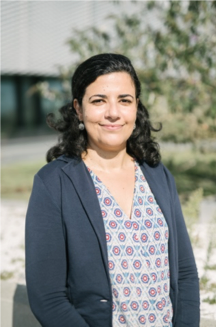
○Oumeya Adjali(Senior scientist, laboratory head, Translational gene therapy laboratory, INSERM and University of Nantes)
Education:
Oumeya Adjali (MD. PhD), is a senior scientist (Research Director) at the French Institute of Health and Medical Research INSERM. She is the head of Translational Gene Therapy laboratory (INSERM UMR 1089) in Nantes University since January 2017. She has been working at the interface of cell and gene therapies and immunology for more than 18 years. Since 2007, her research focuses on the use of recombinant Adeo-Associated Viral (AAV) vectors for retinal, muscular and liver gene transfer. Her research activity covers the translation chain of a gene therapy product development from viral vector design to its ipreclinical evaluation using relevant in vitro and in vivo models. Oumeya Adjali is also involved as an immunology expert in AAV gene therapy clinical trials.
Recombinant adeno-associated virus (rAAV) provides a clinically relevant platform for efficient and sustained in vivo gene therapy as illustrated by recent market approvals for neurological, metabolic and retinal genetic diseases. More recently, rAAV vectors have been also used successfully for in vitro stem cell gene transfer and editing. Despite a wide panel of rAAV applications and an increasing number of preclinical and clinical studies, there are still hurdles to overcome to enable a successful clinical translation of rAAV-based gene transfer products. Among them, the limited packaging size of rAAV, and their immunogenicity are both the subject of large number of developments. In addition, large scale manufacturing of rAAV products is another issue that still needs breakthrough innovations. During this oral presentation, new directions in the field to overcome current challenges will be presented. Program [PDF]