


Stem cells and advanced tissue engineering for regenerative medicine
2021年1月25日〜1月28日WEB
Stem cells and advanced tissue engineering for regenerative medicine
2021年1月25日〜1月28日WEB
[16]Promise and Impact of Organoid Medicine.
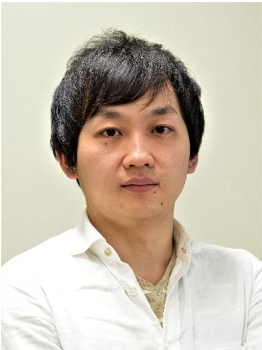
○Takanori Takebe(Professor, Institute of Research, Tokyo Medical and Dental University)
Education:
2019.1 Ph.D., Yokohama City University School of Medicine
2011.4 M.D., Yokohama City University School of Medicine
Professional Career:
2011.4-2013.9Research Associate, Department of Regenerative Medicine, Yokohama City University
2013.10-2018.1Associate Professor, Department of Regenerative Medicine, Yokohama City University,
2015.12-presentAssistant Professor, Division of Gastroenterology, Hepatology and Nutrition and Division of Developmental Biology, Cincinnati Children's Hospital Medical Center
2017.6-presentDirector of Commercial Innovation, Center for Stem Cell and Organoid Medicine (CuSTOM), Cincinnati Children’s Hospital Medical Center, USA
2018.1-present Professor & Founding Director, Communication Design Center, Yokohama City University
2018.2-presentProfessor, Institute of Research, Tokyo Medical Dental University
Scientific Activities:
2018-presentDeputy to the Chairman, Japanese Society for Regenerative Medicine (JSRM)
2018-presentBoard of Directors, International Society for Stem Cell Research (ISSCR)
Organoids are multicellular structures that can be derived from adult organs or pluripotent stem cells. Early versions of organoids range from simple epithelial structures to complex, disorganized tissues with large cellular diversity. The current challenge is to engineer cellular complexity into organoids in a controlled manner that results in organized assembly and acquisition of tissue function. These efforts have relied on studies of organ assembly during embryonic development and have resulted in development of organoids with multilayer tissue complexity and higher order functions. For example, we show that antero-posterior interactions recapitulate the foregut and the midgut boundary in vitro, modeling the inter-coordinated specification and invagination of the human hepato-biliary-pancreatic system from human pluripotent stem cells. Coupled with patient-derived stem cells, my group studied the mechanisms of human hepatic diseases that includes viral hepatitis, steatohepatitis, recently extended to drug induced liver injury (DILI), wherein organoid modelled the clinical phenotype and genotype are correlated. Here I will summarize the next generation of organoid by design, and discuss its promise and impact to elucidate personalized disease mechanisms and understand drug reactions underlying individual variations in humans. Program [PDF]