


Stem cells and advanced tissue engineering for regenerative medicine
2021年1月25日〜1月28日WEB
Stem cells and advanced tissue engineering for regenerative medicine
2021年1月25日〜1月28日WEB
[3]Programming and reprogramming cell fate to study human preimplantation development
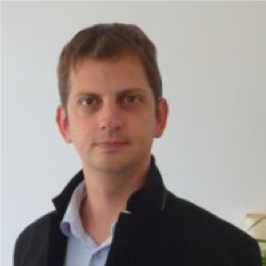
○Laurent David(Associate Professor, Université de Nantes)
Education:
Dr. David received his Ph.D. from University Joseph Fourier, Grenoble, France, in 2007. During his PhD, he discovered that BMP9 and BMP10 are physiological ligands of the receptor ALK1, which stemmed an active field of research in angiogenesis, and led to new therapeutic strategies for HHT, a disease caused by mutations of ALK1.
Dr. David started to work on somatic cell reprogramming during his post-doc in Jeff Wrana lab, in Toronto, Canada. His work led to a better understanding of the mechanisms of somatic cell reprogramming, such as the characterization of the mesenchymal-to-epithelial transition that initiates the reprogramming of fibroblasts.
In 2013, Dr. David joined the Medical School of University of Nantes as an Associate Professor. His lab is particularly interested in studying the regulation of pluripotency in human pluripotent stem cells and in human embryos. His lab combines stem cells, bioinformatics, developmental biology and clinical approaches to unravel human preimplantation development. Dr David is the director of Nantes iPSC core facility. Dr David is also treasurer of the French society for stem cell research (FSSCR).
The goal of our lab is to identify regulators of fate decisions driving the first cell type commitment of the human development. These cell fate choices lead to the establishment of trophectoderm (TE), epiblast (EPI) and primitive endoderm cells in preimplantation blastocysts. In particular, we aim to identify novel clues to understand how lineage specification is regulated. Single-cell RNAseq coupled to morphokinetic analysis of human embryos identified key determinants of lineage specification. Cellular models are necessary to study human preimplantation development: we have already established human naive iPSC, counterparts of EPI, and have recently successfully generated human induced trophoblast stem cells, counterparts of TE. In this presentation, we will summarize our results couping cellular models and human embryos. Program [PDF]