


Exhibitors①
Hiroshima Institute of Plate ConvErgence Region Research (HiPeR)
Hiroshima Institute of Plate ConvErgence Region Research (HiPeR)

Hiroshima Institute of Plate Convergence Region Research (HiPeR) is a research center that has been certified as “Centers of Excellence” in Hiroshima University. The staff of the Department of Earth and Planetary Systems, Hiroshima University play a central role in promoting active joint research and educational activities.
<Flyer>
Different important geoscientific phenomena caused by the dynamic processes are occurring frequently and actively at the plate convergence areas on the Earth. HiPeR (Hiroshima Institute of Plate Convergence Region Research) aims to have comprehensive understanding on these important phenomena, dividing them into three major processes of strategic research. These include “deep circulation of rocks and water”, “process and mechanism of fault movements” and “processes of magma generation”. We are aiming to carry out three-pronged research activities including “experiments”, “instrument-based observations” and “fieldwork-based observations”, which would help us to achieve the unified goal of better understanding of plate convergence area materials and events. Please see the below for the details.
<Member>
We, the staff of the Department of Earth and Planetary Systems, Hiroshima University, are promoting active joint research and educational activities with the participation of many members from Japan and overseas. Please see the below for the members of the research center.
Please click the below URL to see the above enlarged poster.
https://drive.google.com/file/d/1MGCIHxEe5GSeXOQa_BYj3VHK93wClWAE/view?usp=sharing
<Activity>
The followings introduce some of the activities of the research center.

Please click the below URL to see the above enlarged poster.
https://drive.google.com/file/d/1uWFJkxfKLh2XbIUOBwk0vtUTs3JWDPiA/view?usp=sharing
| Address | 739-8526 Kagamiyama 1-3-1, Higashi-Hiroshima 739-8526, Japan |
|---|---|
| TEL | 082-424-7460 |
| FAX | 082-424-0735 |
| Web site, SNS | https://hiper.hiroshima-u.ac.jp/en/ |
JAXA Earth Observation Research Center
JAXA Earth Observation Research Center
JAXA Earth Observation Research Center (EORC) conducts calibration & validation of satellite data, and the Earth science research and application research using those data.
EORC researches in the field of earth science such as global climate change, water cycle, atmospheric environment and crustal movements, using satellite data while developing calibration & validation and analysis methods to improve data accuracy of sensors onboard earth observation satellites.
Earth-graphy (All about JAXA's Earth Observations)
 Satellite Navigator
 Follow our SNS! Get the latest information. (Japanese only)

JAXA Satellite Navigator

YouTube
JAXA Satnavi Channel

LINE Stickers
JAXA Earth Observing Satellite Stickers
The GSMaP provides large amounts of data on hourly rainfall distribution around the world over the past 20 years. You can also see the latest status from the map below.
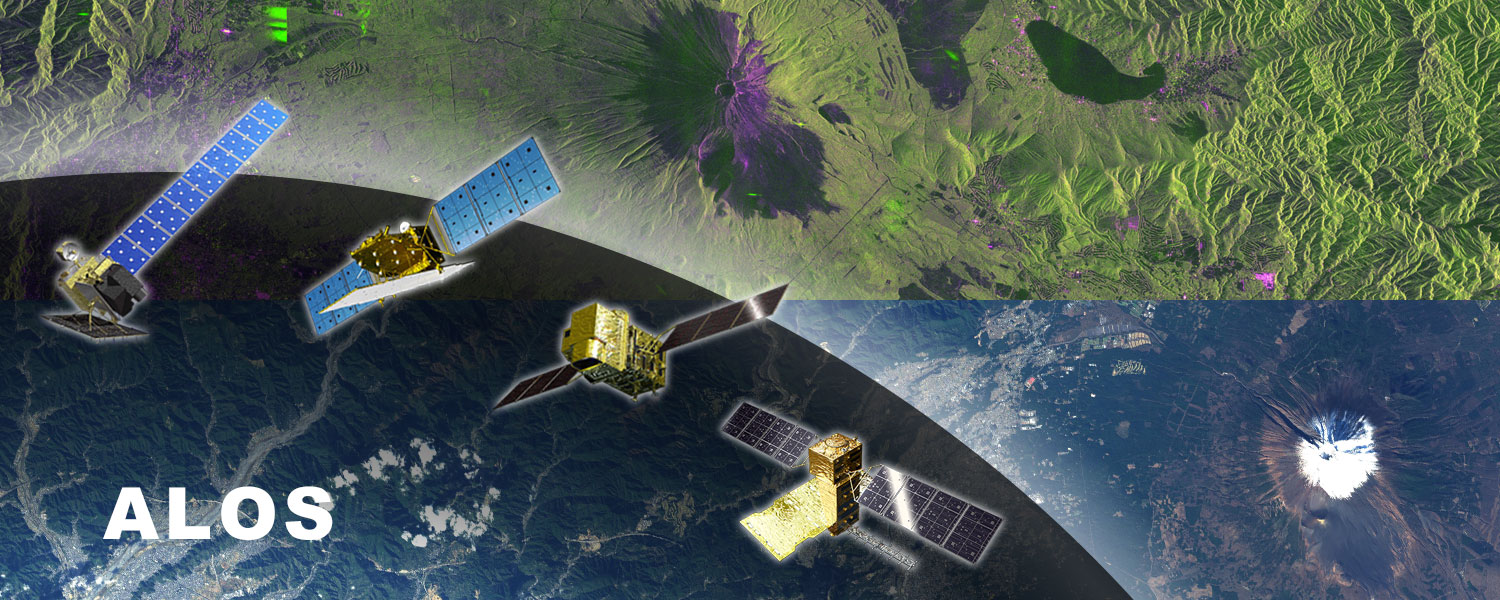 ALOS Research and Application Project conducts the Earth science / application researches using Synthetic Aperture Radar (SAR) and high-resolution optical sensors onboard the "DAICHI" (ALOS) series satellites. ALOS Research and Application Project
  GPM project conducts the Earth science / application researches and calibration & validation in the field of precipitation and water cycle using the precipitation radar onboard earth observation satellites. The precipitation radar enables observation of three-dimensional structure of rain and snow. GPM Project
 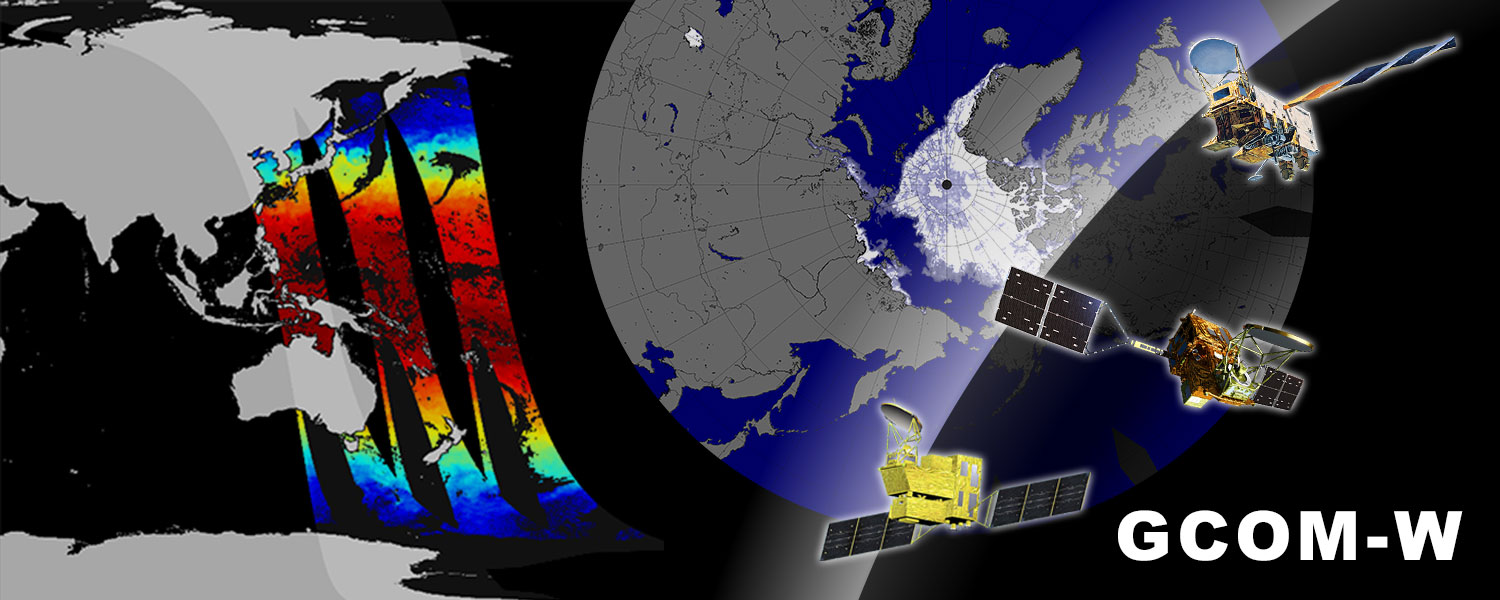 GCOM-W project is conducting the Earth science / application researches and calibration & validation activities related to climate and water cycle variations using the Advanced Microwave Scanning Radiometer (AMSR) series. GCOM-W Project AMSR Series
 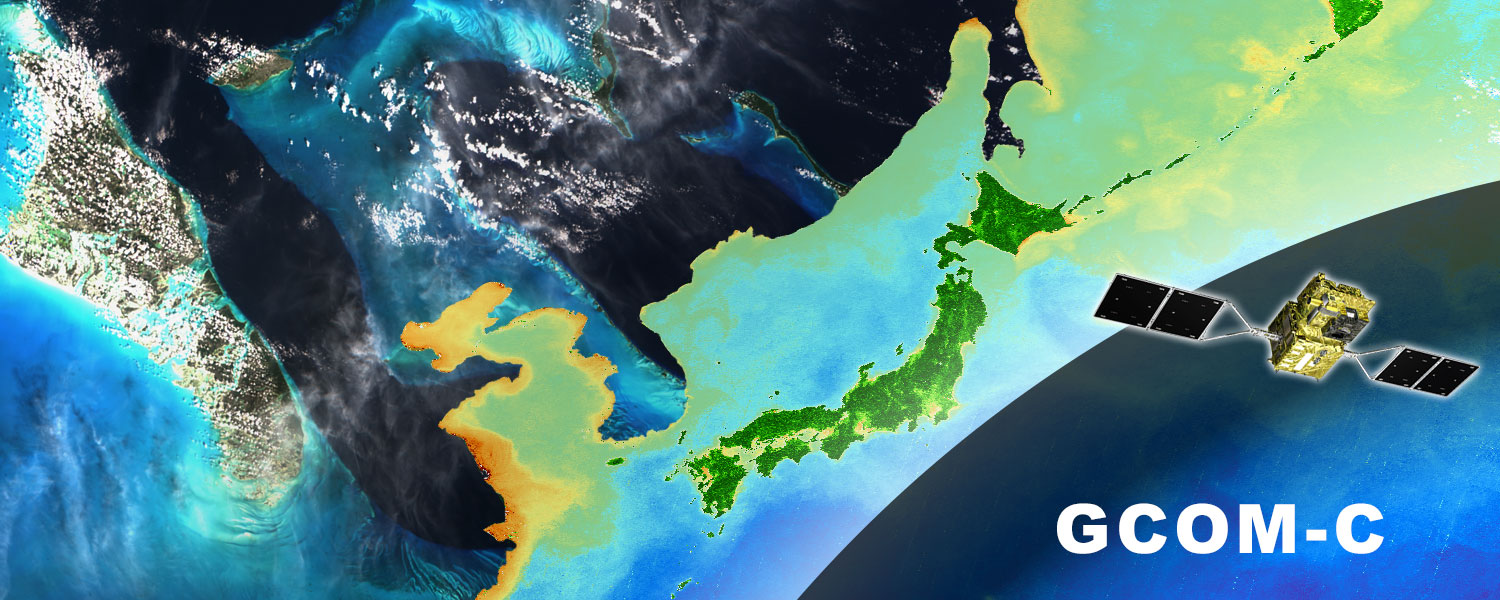 GCOM-C project is conducting the Earth science / application researches and calibration & validation related to climate change using the Second generation GLobal Imager (SGLI) onboard earth observation satellite "SHIKISAI" (GCOM-C). GCOM-C Project
 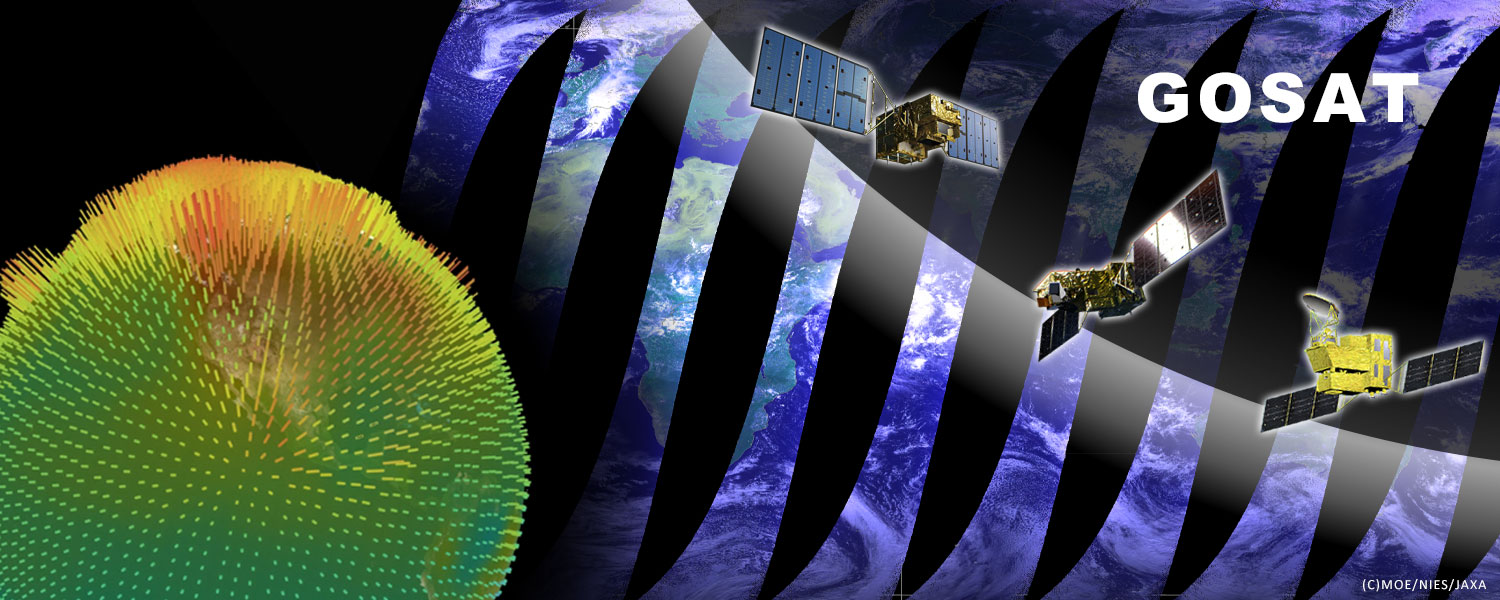 GOSAT project is conducting research and development and data calibration & validation by using sensors onboard the "IBUKI" (GOSAT) series satellites for observing greenhouse gases (carbon dioxide, methane) which are the causes of global warming. GOSAT Project
 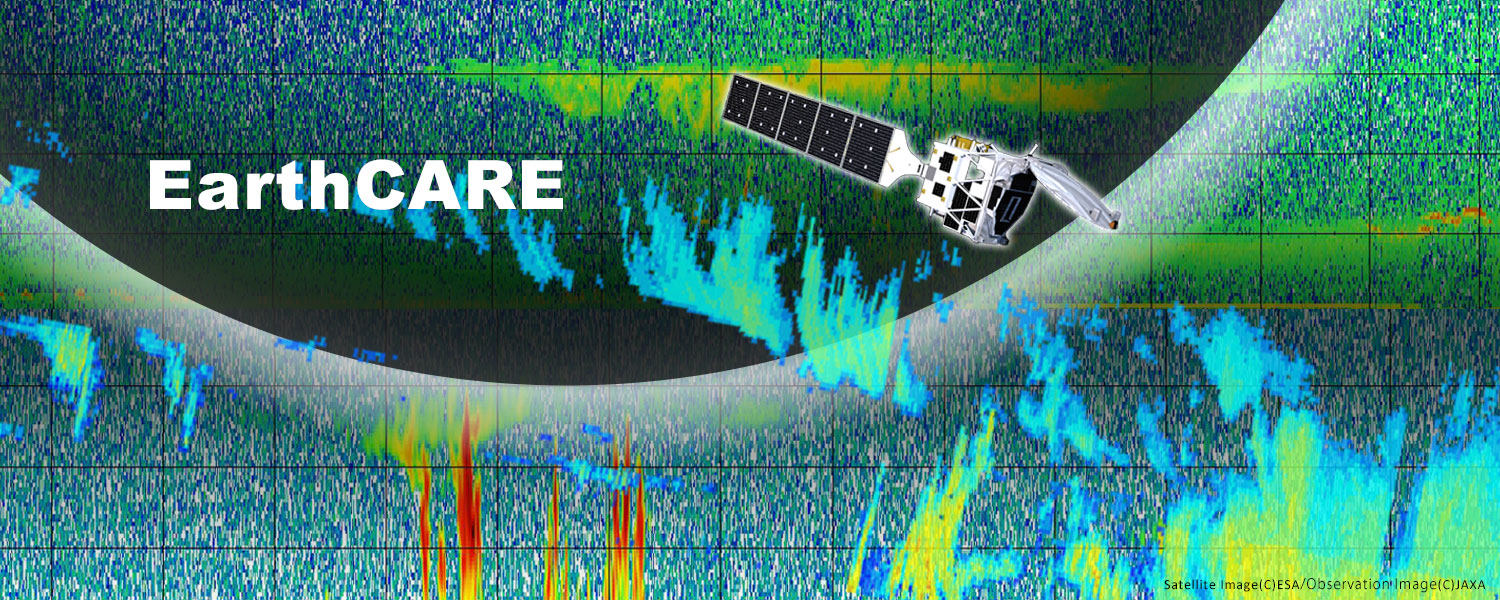 EarthCARE is an earth observation satellite mission that Japan and Europe are collaborating for development. It is expected that the mission will improve the numerical climate model and contribute to improving the accuracy of climate change prediction. EarthCARE Project JAXA Employment Opportunities (English site)
| Address | 305-8505 2-1-1, Sengen, Tsukuba-shi, Ibaraki-ken, Japan |
|---|---|
| Web site, SNS | https://earth.jaxa.jp/en/ |
National Research Institute for Earth Science and Disaster Resilience (NIED)
National Research Institute for Earth Science and Disaster Resilience (NIED)


| Address | 305-0006 茨城県つくば市天王台3-1 |
|---|---|
| Web site, SNS | https://www.bosai.go.jp/e/ |
Harris Geospatial Solutions K.K.
Harris Geospatial Solutions K.K.
| Address | 113-0033 東京都文京区本郷1-20-3 中山ビル 3F |
|---|---|
| Web site, SNS | https://www.l3harrisgeospatial.com/ |
Research Institute for Humanity and Nature
Research Institute for Humanity and Nature

| Address | 603-8047 457-4 Motoyama, Kamigamo, Kita-ku, Kyoto |
|---|---|
| TEL | 075-707-2482 |
| FAX | 075-707-2515 |
| Web site, SNS | https://www.chikyu.ac.jp/rihn_e/ |
Katsujima Co., Ltd
Katsujima Co., Ltd
AD Science Inc.
AD Science Inc.

Our main customers are manufacturers of imaging system, medical imaging system and various scientific research institutes such as physics, chemistry, biology, astronomy, medical science and so on. We are now supplying wide supports to these customers under the key word "IMAGING" and "NANOTECHNOLOGY".
We hope our solutions would help your researchs!
Please ask us for more information (options, specification).
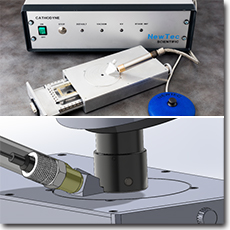
This stage will be exhibited during the conference.
②Plasma cleaner (desktop type, remote type)
③Coater (DC sputter, evapolator)
④Cryo products
⑤Heating, tensile stages
②IR camera
③VL camera
| Address | 102-0071 Stage building 13F, Fujimi 2-7-2, Chiyoda-ku, Tokyo |
|---|---|
| Web site, SNS | https://www.ads-img.co.jp/etc/english/ |
Knowledge Foresight.Inc
Knowledge Foresight.Inc

| Address | 1520022 東京都柿の木坂1-30-17-6F |
|---|---|
| Web site, SNS | https://knowledgeforesight.com/ |
Newtech Co.,Ltd
Newtech Co.,Ltd
Little River Research & Design Japan
Little River Research & Design Japan
| Address | 9902403 Iwanami 70, Yamagata, Yamagata |
|---|---|
| TEL | 070-5252-2941 |
| Web site, SNS | https://emriver.com |
Science of Slow-to-Fast Earthquakes
Science of Slow-to-Fast Earthquakes

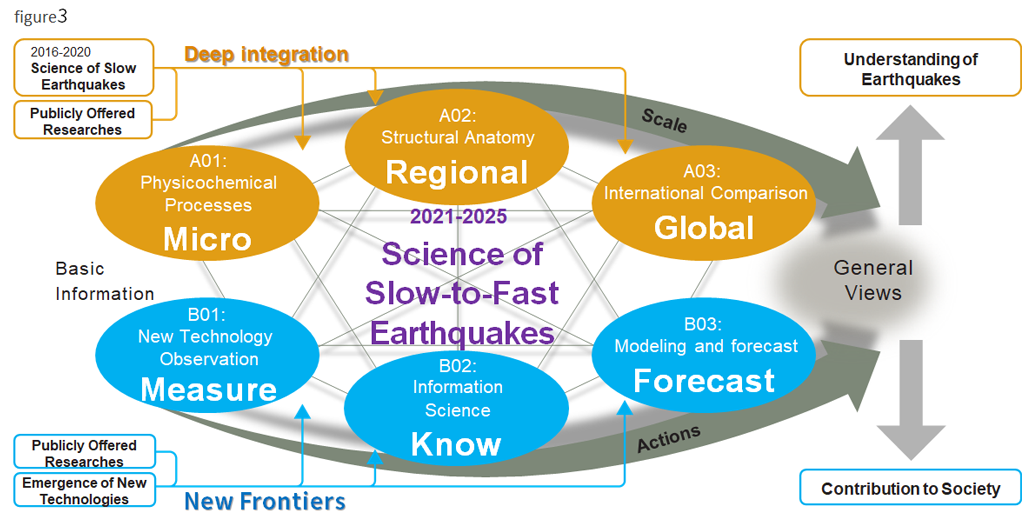
The recently discovered phenomenon of slow earthquakes has attracted scientific attention because it may fundamentally change our understanding of earthquakes. During an earthquake, underground rock ruptures quickly, radiating strong seismic waves that shake the ground. During slow earthquakes, the underground rock also ruptures, but slowly, so the shaking is very weak, sufficiently weak that these earthquakes have been overlooked until this century, with the development of highly sensitive instrumentation for seismic detection. Research during the last two decades has discovered slow earthquakes in various regions worldwide and has established some of their characteristics. However, their relationship to the occurrence of huge earthquakes, a topic of paramount concern, is not well understood. Therefore, we have launched a research project to broaden and deepen our understanding of earthquakes ranging from slow earthquakes to fast (ordinary) earthquakes. This is a Grant-in-Aid for Scientific Research Project [Grant-in-Aid for Transformative Research Areas (A)] of MEXT, Japan, entitled “The Science of Slow-to-Fast Earthquakes”.
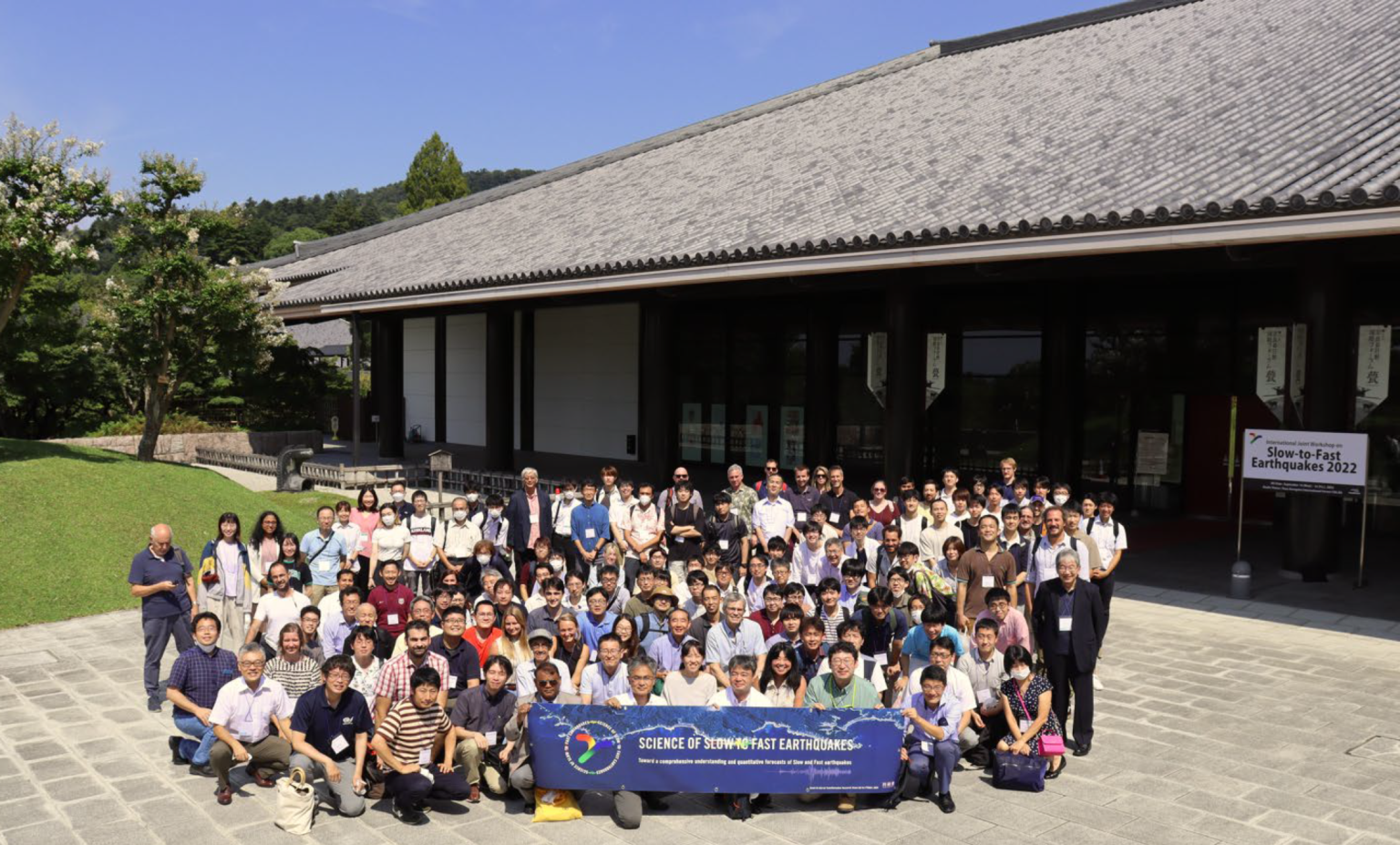
Group photo in the 2022 Workshop
International Joint Workshop on Slow-to-Fast Earthquakes 2023
Date: 2023/9/13~15
Venue: Ito Hall, the University of Tokyo
Website: link
Session information
Oral
5/24 Wed. PM1 PM2
5/25 Thu. AM1 AM2 PM1 PM2
5/26 Fri. PM1 PM2
Poster
5/25 Thu. PM3 onsite poster
5/26 Fri. AM2 online poster
Newsletter Vol. 2
Leaflet
| Address | 1130032 1-1-1 Yayoi, Bunkyo-ku, Tokyo |
|---|---|
| Web site, SNS | http://en.slow-to-fast-eq.org/ |
The Institute for Planetary Materials Okayama University
The Institute for Planetary Materials Okayama University

For more details, please see our web page (click link at bottom).
We aim at understanding the internal structure and evolution of the Earth and planets via determination of the structure and physical properties of earth/planetary materials using experimental and computational approaches.

Division for Planetary System
We aim at understanding the origin, evolution and dynamics of the Earth and planets by utilizing a comprehensive analytical system that includes a variety of facilities for highly accurate/precise quantitative analysis, mass spectroscopic analysis and spectroscopic analysis.
-Development and application of highly precise elementary analytical method and mass spectrometry.

Division for Astrobiology
We investigate mineral–organic–fluid interactions, origin of life on the Earth and planets and traces of primitive life in the solar system via both experiment and analytical approaches.
IPM News Letter No.6 July 19, 2022
IPM News Letter No.5 February 3, 2022
Exhibition room
Recently, we built an exhibition room to explain our research activities. It is still under construction, but for example, you can experience the high-pressure ice, observation of rock thin sections using a polarizing microscope, observation of radiation using cloud chamber, and interactive play with a sand box using augmented reality etc. are available.
| Address | 682-0193 827 Yamada, Misasa, Tottori 682-0193, Japan |
|---|---|
| TEL | 0858-43-1215 or +81-858-43-1215 |
| FAX | 0858-43-2184 or +81-858-43-2184 |
| Web site, SNS | https://www.misasa.okayama-u.ac.jp/eng/ |
Oxford Instruments KK
Oxford Instruments KK

◆ AZtecLive Energy Dispersive Spectroscopy(EDS)
AZtecLive is a revolutionary new approach to EDS analysis that enables a radical change in the way users perform sample investigation in the SEM. It combines a live electron image with live X-ray chemical imaging to give an intuitive new way of interacting with your samples.See More
◆ AZtecWave Wavelength Dispersive Spectroscopy(WDS)
AZtecWave combines the unique power of WDS to resolve X-ray peaks and quantify minor and trace elements with the speed and flexibility of EDS. EDS and WDS Wave Spectrometer operation is fully integrated into the AZtec software, guaranteeing maximum accessibility to users with all levels of expertise and Tru-Q® processing technology for the most accurate results. When microanalysis is at its most challenging, AZtecWave provides accurate answers, fast.See More
◆ AZtecHKL Electron Backscatter Diffraction(EBSD)
The most powerful EBSD software available, AZtecHKL combines speed and accuracy of results for routine analysis, with the flexibility and power required for applications that push the frontiers of EBSD. See More
Application Library

To find application notes in geology, click here
Blogs

Scientific blogs to educate and entertain. Enjoy Oxford Instruments blogs here

Send mail
Need Application Support?
Ask the expert here!
◆About Us
| Address | 140-0002 IS Building, 3-32-42, Higashishinagawa, Shinagawa-ku, Tokyo 140-0002 |
|---|---|
| TEL | 03-6732-8967 |
| FAX | 03-6732-8939 |
| Web site, SNS | https://nano.oxinst.com/ |
Paleo Labo co.,ltd.
Paleo Labo co.,ltd.

| Address | 335-0016 1-13-22 Shimomae, Toda City, Saitama Prefecture |
|---|---|
| TEL | 048-446-2345 |
| FAX | 048-444-7756 |
| Web site, SNS | https://www.paleolabo.jp/English_site/e-toppage.html |
Hakusan Corporation
Hakusan Corporation

| Address | 1830022 東京都府中市宮町1-40 KDX府中ビル8F |
|---|---|
| TEL | 042-333-0080 |
| FAX | 042-333-0096 |
| Web site, SNS | https://www.hakusan.co.jp/ |
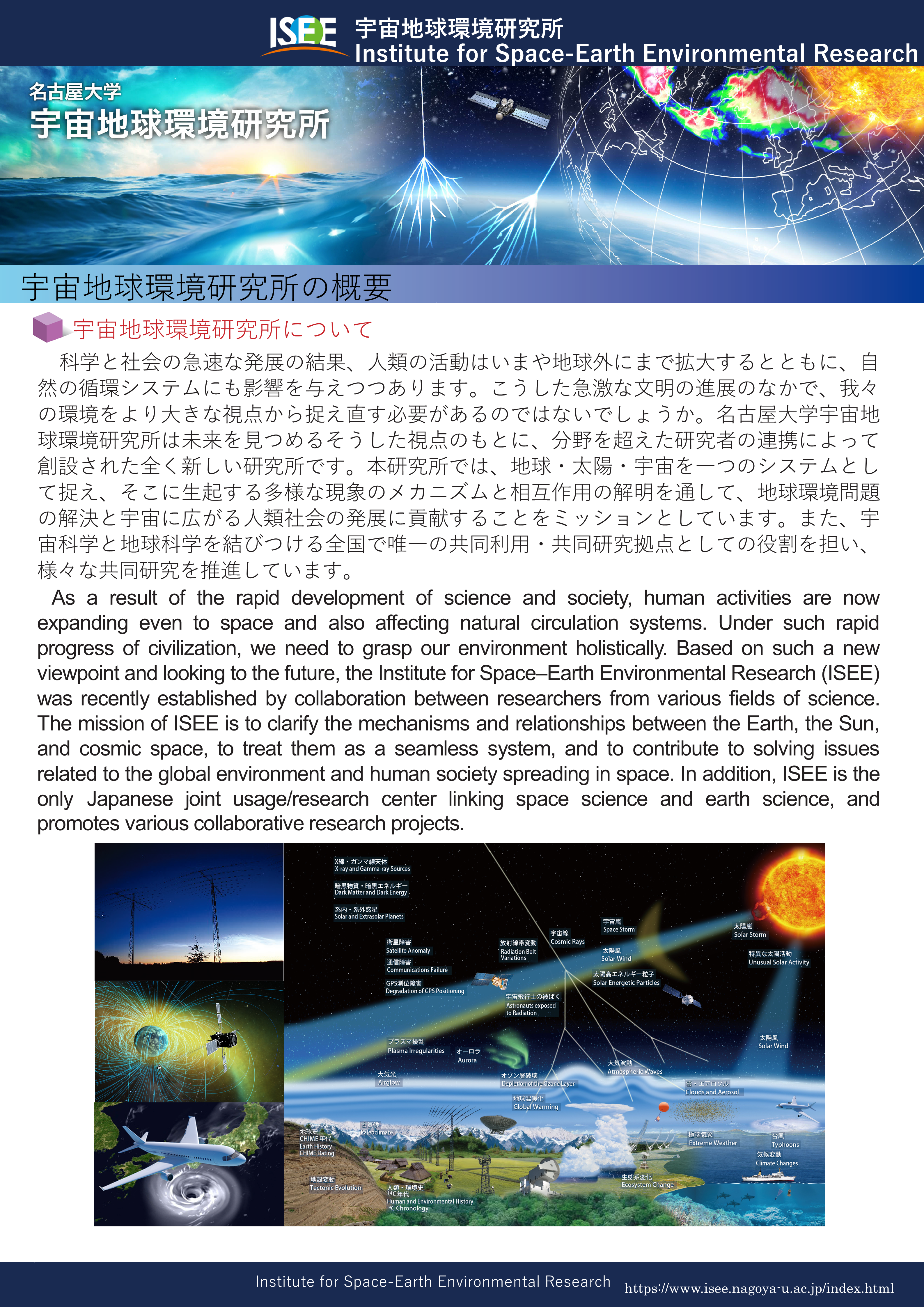
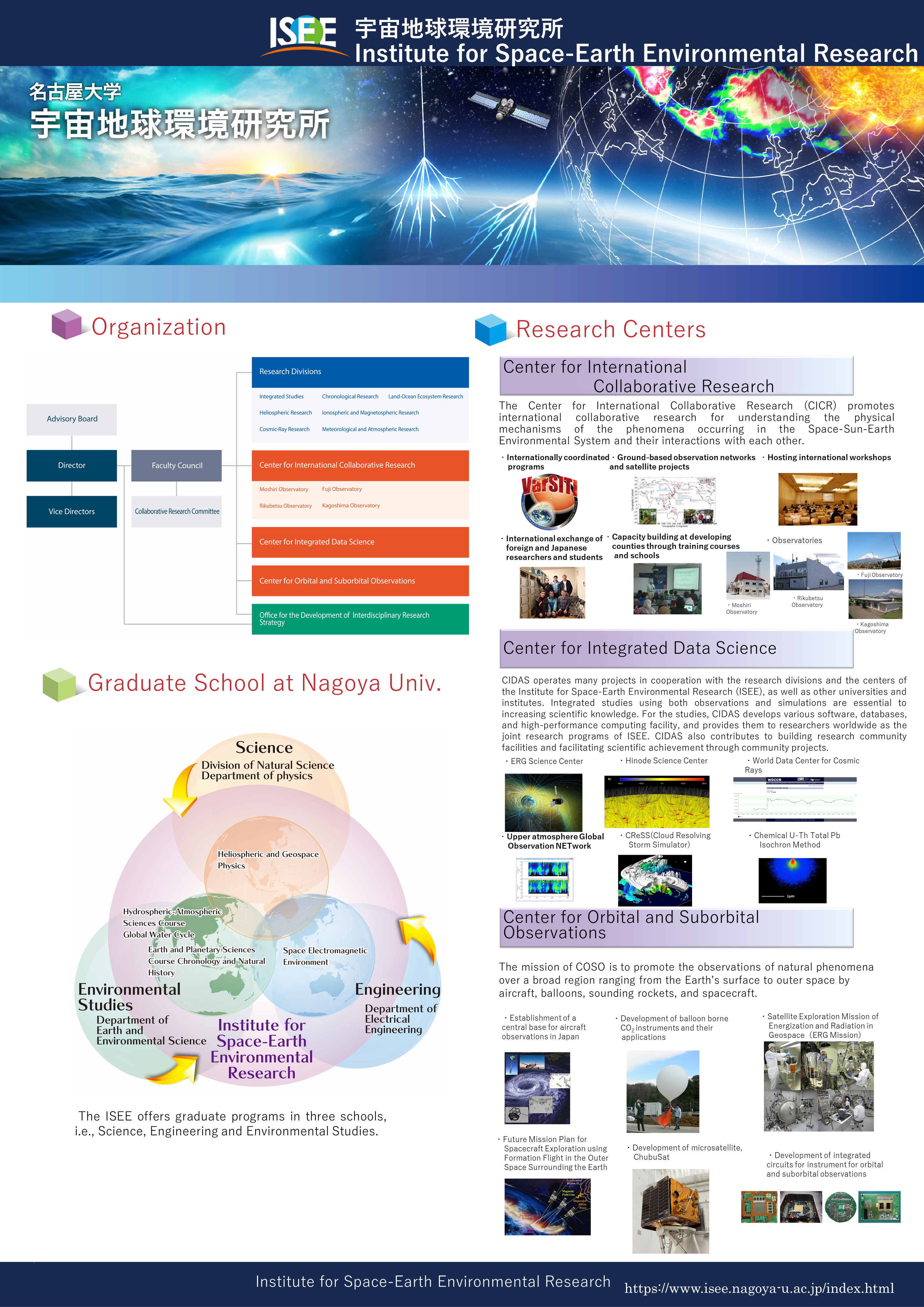
Institute for Space-Earth Environmental Research, Nagoya University
Institute for Space-Earth Environmental Research, Nagoya University

| Address | 464-8601 愛知県名古屋市千種区不老町 |
|---|---|
| Web site, SNS | httpw://www.isee.nagoya-u.ac.jp/en/ |
Electronics Optics Research, Ltd.
Electronics Optics Research, Ltd.

Design, manufacturing, import and export sales for Laser equipment,
optical components, vacuum equipment, and a vacuum parts.
Exclusive Distributor or Distributor of overseas manufacturers.
・GRIMM Aerosol Technik (Germany)
: Particle Counter & PSMPS & Nano Devices for Aerosol Fields
・KETEK GmbH (Germany) : X-ray detector
・Licel GmbH (Germany) : Atmospheric LIDARS system
・ACST GmbH (Germany) : Terahertz detector
・Raymetrics (Greece)
: Lidar Systems, METEOROLOGY, ENVIRONMENT, INNOVATION
Grimm company introduction:
| Address | 166-0003 4-26-19 Kouenzi-Minami, Suginami-Ku, Tokyo 166-0003 JAPAN |
|---|---|
| TEL | 03-3314-5699 |
| FAX | 03-3314-2333 |
| Web site, SNS | https://www.eor.jp/ |
Department of Earth and Planetary Science, Graduate School of Science, The University of Tokyo
Department of Earth and Planetary Science, Graduate School of Science, The University of Tokyo

We reorganized the four departments, Earth and Planetary Physics, Geology, Mineralogy, and Geography, into the Department of Earth and Planetary Science in 2000 both for the enhanced research across the breadth of earth and planetary science and for more flexible and effective graduate and undergraduate education.
The five core research groups in the department, Atmospheric and Oceanic Science, Space and Planetary Science, Earth and Planetary System Science, Solid, and Earth Science, Geosphere and Biosphere Science, are in cooperation with each other as well as with affiliated institutions* to be the core institute for both research and education in Earth Planetary Science in Japan. (*The affiliated institutions in the University of Tokyo are the Ocean Research Institute, the Earthquake Research Institute, the Institute of Solid State Physics, the Center for Climate System Research, the Center for Spatial Information Science, the Research Center for Advanced Science and Technology, the University Museum, the Graduate School of Frontier Sciences, the Graduate School of Arts and Sciences, the Laboratory for Earthquake Chemistry, the Department of Astronomy and the Department of Physics. The Japan Aerospace Exploration Agency and the High Energy Accelerator Research Organization, both of which are not the institutions in the University of Tokyo, are also in partnership with us.)
The educational program aims to train doctoral-level researchers who can become leading figures in their respective fields and masters-level students and undergraduates who will take a variety of positions in government, industry, and education, where it is hoped that they will be able to make significant contributions to society.
Another important objective of the department is to contribute directly to society through participation in national and international programs of applied research in areas such as global climate change or mitigating earthquake hazards.
| Address | 1130033 Science Bldg. #1, The University of Tokyo, 7-3-1, Hongo, Bunkyo-ku, Tokyo, Japan |
|---|---|
| Web site, SNS | https://www.eps.s.u-tokyo.ac.jp/en/ |
ENABLER LTD.
ENABLER LTD.

We provide the latest technology, products and solutions related to GNSS.
It contributes to the acquisition of positioning and time information in the field of earth science and in the field of mobile objects such as automobiles, ships, construction machinery, and agricultural machinery.

 Low power consumption, waterproof and dustproof GEM series
We are exhibiting the latest model GEM-5 at the venue.
Please ask the person in charge for details such as specifications.
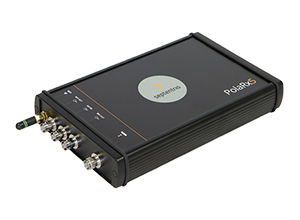
With tolerance to harsh radio wave reception environments, PolaRx5, which has been adopted by UNAVCO and IGS, We will propose a sales price for academics.
At ENABLER, many people from earth sciences are active!
Those who like field activities, those who have experience with GNSS and other precision instruments, software, and data for researchers, those who are interested in cutting-edge technology, those who have experience in data analysis, and those who have an inquisitive mind. who have Please feel free to contact Ito (itoh@enabler.co.jp)!
It doesn't matter whether you are a college or graduate school graduate.
We also accept requests for internships.
Itoh:itoh@enabler.co.jp
| Address | 160-0022 Sawada Bldg. 9F, 1-15-9, Shinjuku, Shinjuku-Ku, Tokyo , Japan |
|---|---|
| FAX | 03-6800-3305 |
| Web site, SNS | https://www.enabler.co.jp/en/ |
Integrated Program for Next Generation Volcano Research and Human Resource Development
Integrated Program for Next Generation Volcano Research and Human Resource Development
| Address | 305-0006 茨城県つくば市天王台3-1 |
|---|