


Exhibitors②
Nu Instruments Ltd.
Nu Instruments Ltd.

Founded in 1995, Nu Instruments has established itself as a market leader in ICP-MS, IRMS, TIMS and Noble Gas MS. Nu joined AMETEK in 2016. Nu’s head office, manufacturing facility and labs are located in North Wales, UK.
| Address | 105-0012 Shiba NBF Tower 1-1-30 Shibadaimon Minato-ku Tokyo |
|---|---|
| TEL | 03-4540-7745 |
| Web site, SNS | https://www.nu-ins.com/ |
Satellite Observation Center, National Institute for Environmental Studies
Satellite Observation Center, National Institute for Environmental Studies

The Satellite Observation Center of the National Institute for Environmental Studies, in collaboration with the Ministry of the Environment and the Japan Aerospace Exploration Agency (JAXA), is advancing three satellite projects: the Greenhouse Gases Observing Satellite (GOSAT), GOSAT-2, and the Observing SATellite for Greenhouse gasses and Water cycle (GOSAT-GW). Within these projects, the Satellite Observation Center is responsible for the development and operation of ground systems for data processing, validation of satellite products, and promotion of research utilization.
We look forward to your visit.
| Address | 305-8506 Onogawa 16-2, Tsukuba, Ibaraki, Japan |
|---|---|
| Web site, SNS | https://www.nies.go.jp/soc/en/ |
MEIJI TECHNO CO.,LTD.
MEIJI TECHNO CO.,LTD.
| Address | 3540043 埼玉県入間郡三芳町竹間沢322-1 |
|---|---|
| Web site, SNS | https://www.meijitechno.com/ |
Sanyo Trading Co., Ltd.
Sanyo Trading Co., Ltd.

| Address | 101 東京都千代田区神田錦町2-11 |
|---|---|
| TEL | 03-3518-1196 |
| FAX | 03-3518-1237 |
| Web site, SNS | https://www.sanyo-si.com/ |
Earth-Life Science Institute (ELSI), Tokyo Institute of Technology
Earth-Life Science Institute (ELSI), Tokyo Institute of Technology
Established in 2012 under the World Premier International Research
Centre Initiative (WPI) of MEXT, ELSI is a globally unique research
institute that explores the 'origins of the Earth and life' with an
interdisciplinary approach. In 2022, ELSI established a new
graduate programme in earth life science.
Booth A30
| Address | 152-8550 東京都目黒区大岡山2-12-1-I7E-304 |
|---|---|
| Web site, SNS | https://www.elsi.jp/en |
LightStone Corp.
LightStone Corp.

We are distributor of computer software for scientific research.
Providing fully user support from 1995.
Surface-water Modeling System SMS
Watershed Modeling System WMS
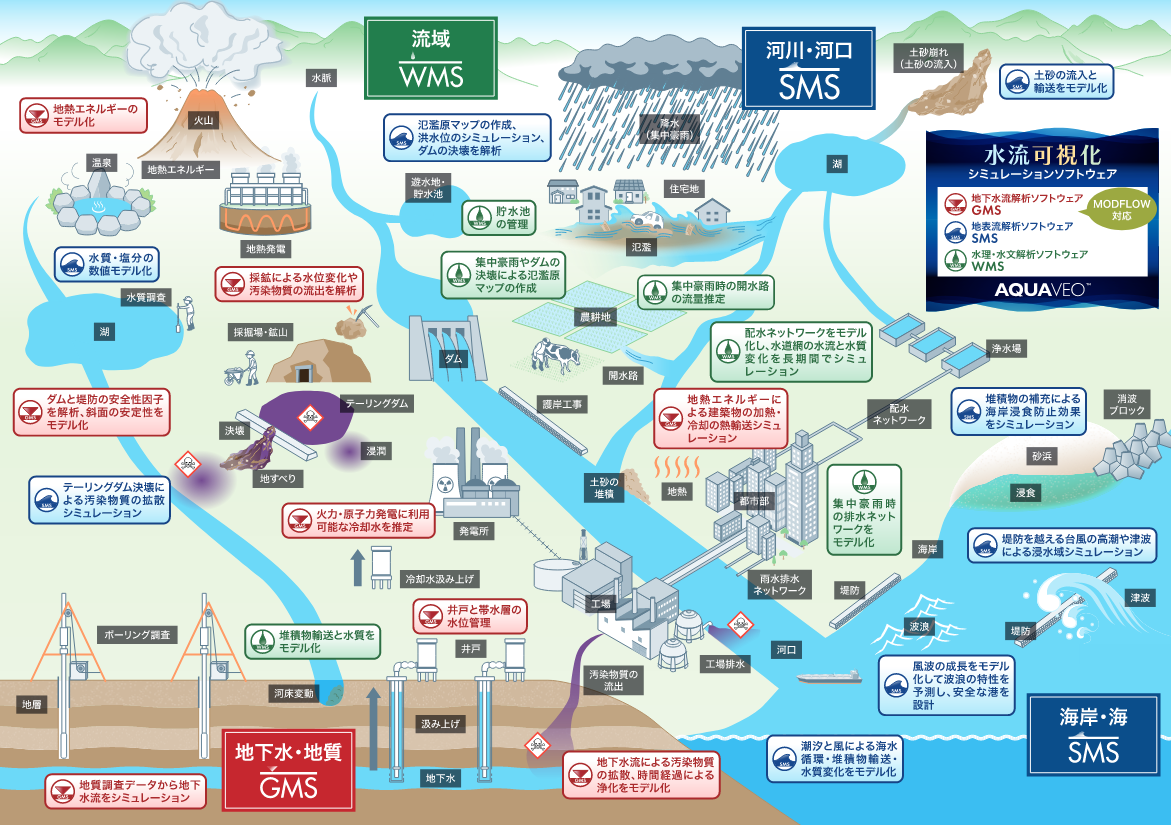
◆Groundwater flow, coastal & riverine environments and hydrologic simulations
◆Create 3D models with speedy & simplicity user interface
◆Simulations for flood hazard, contamination & transport, well management, coastal sediments and so on.
◆Dedication to MODFLOW support
Catalog (PDF)
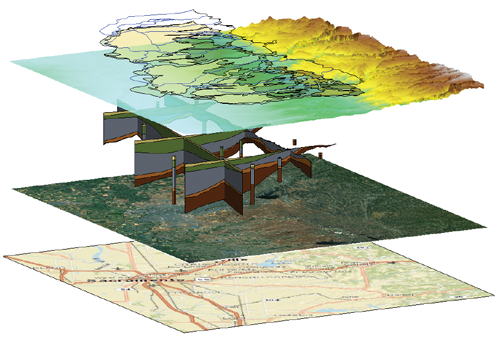
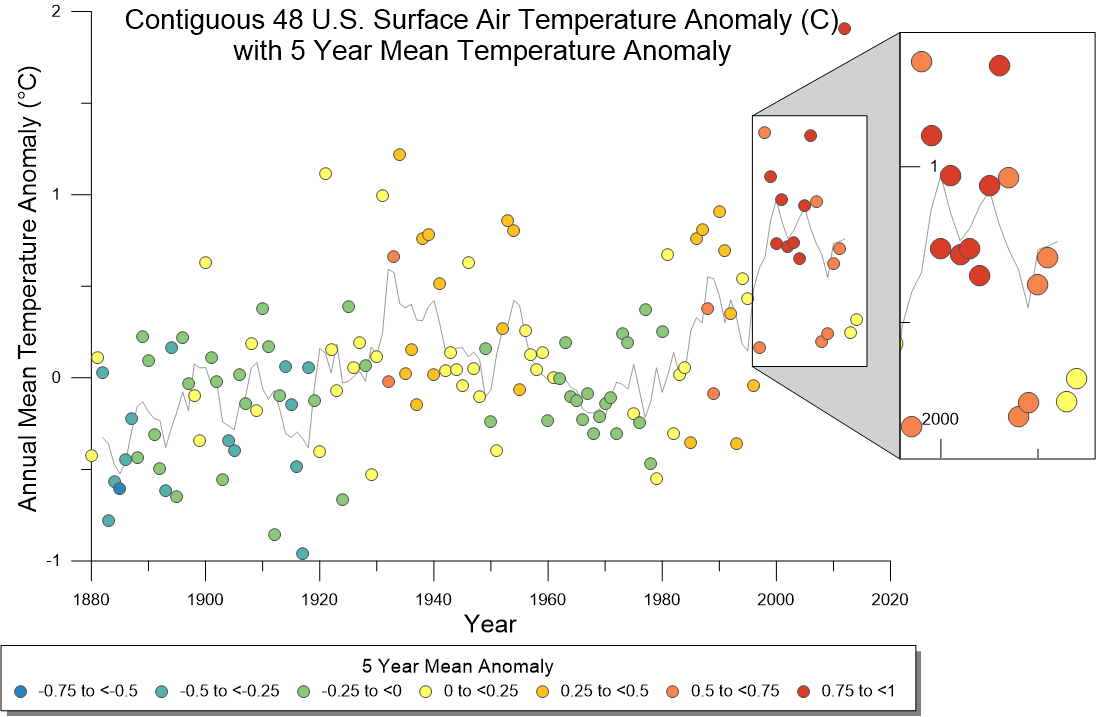
Surfer/Grapher
◆Create Contour Maps, 3D Suffuse, Grid Value and other type of maps
◆Grid data with certainty
◆Work seamlessly with all coordinate systems
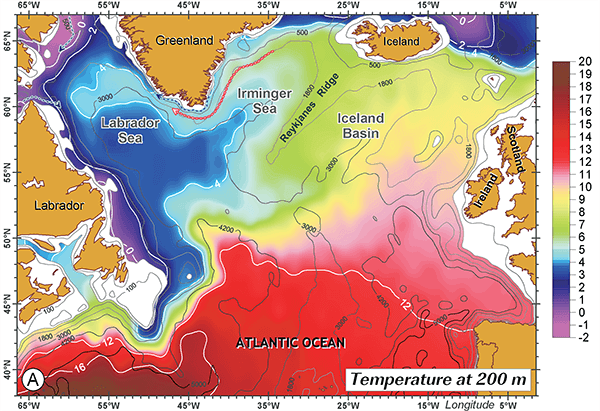


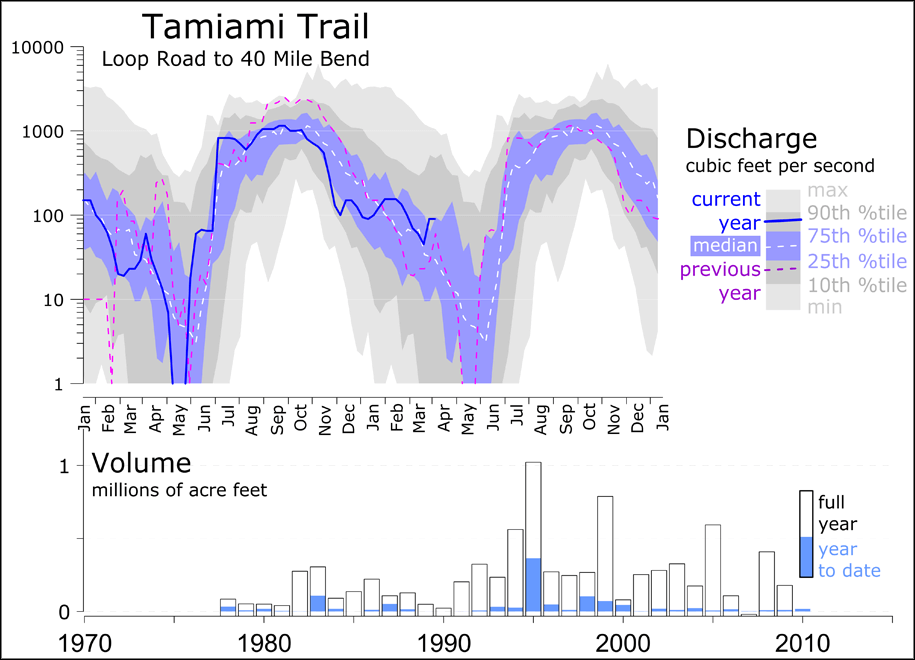
Grapher
◆high-quality 2D/3D graphing tools
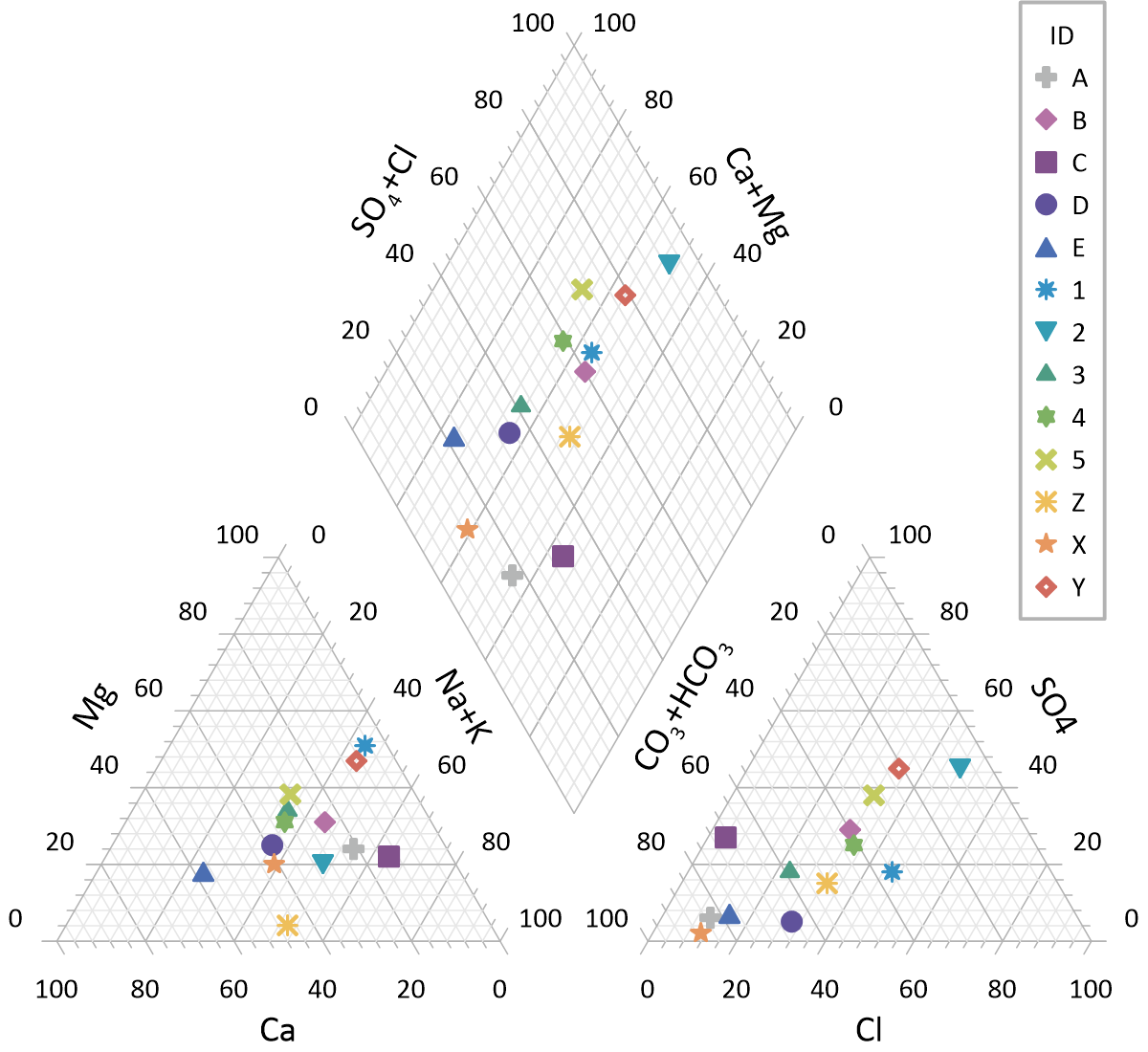
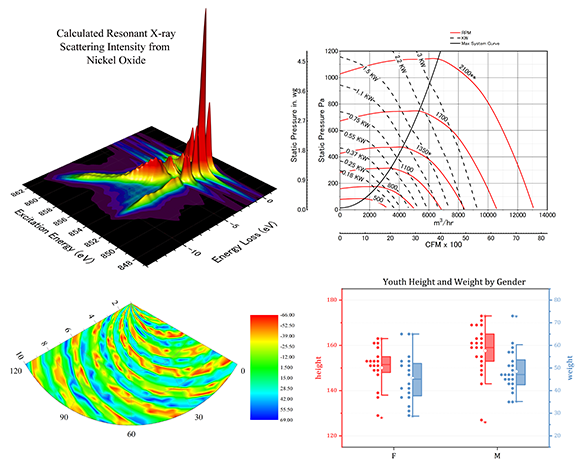
OriginPro
◆Import, graph, explore, analyze and interpret your data
◆Curve fitting, FFT and other powerful analysis & statistics tools
Catalog (PDF, 17MB)
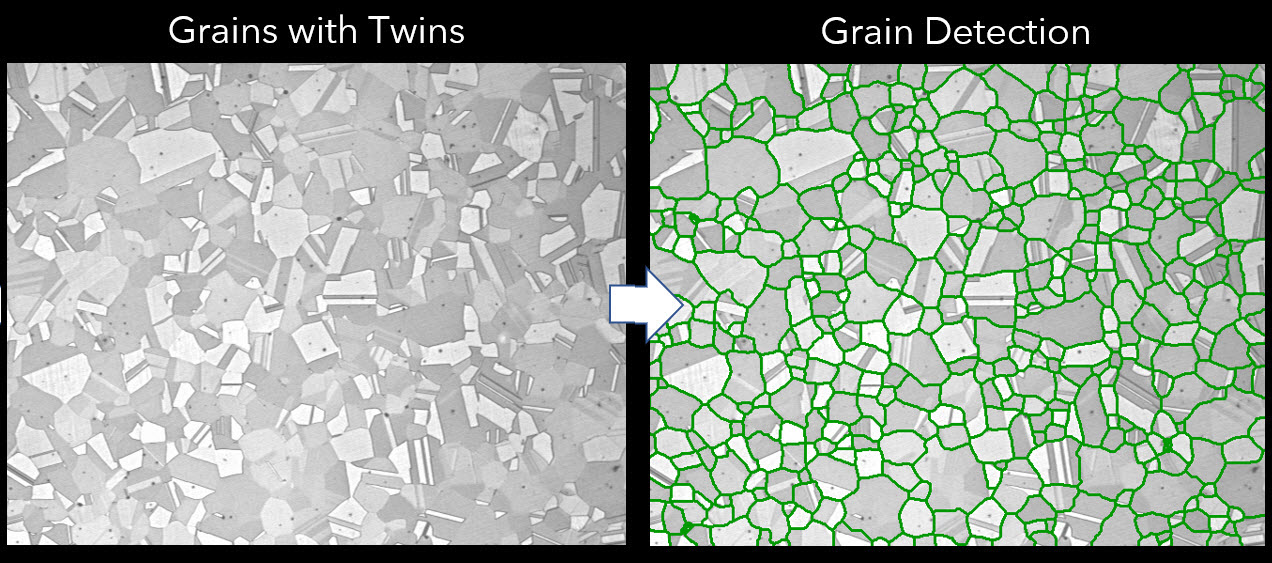
MIPAR
◆With greater accuracy than other automated solutions
◆With built-in supervision over your results
Catalog(PDF)
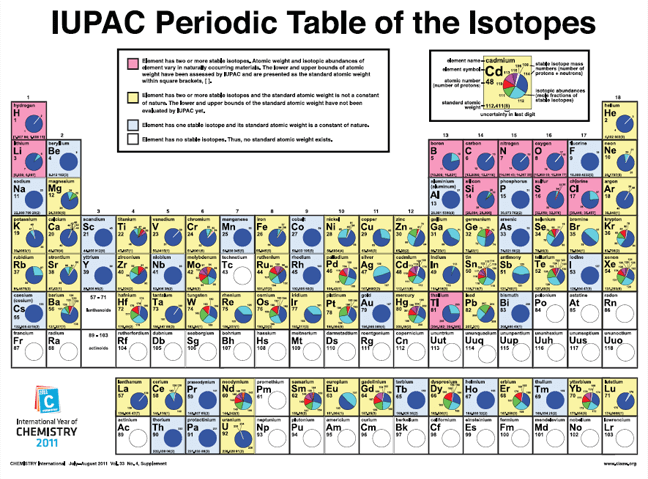
Phase Identification & Quantitation PDF-4/PDF-2
◆Simulation and Visualization
◆Cluster Analysis
Stata
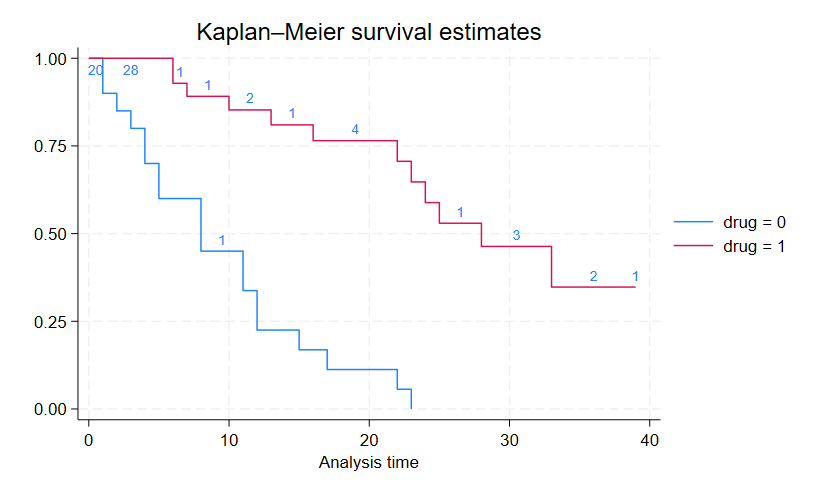
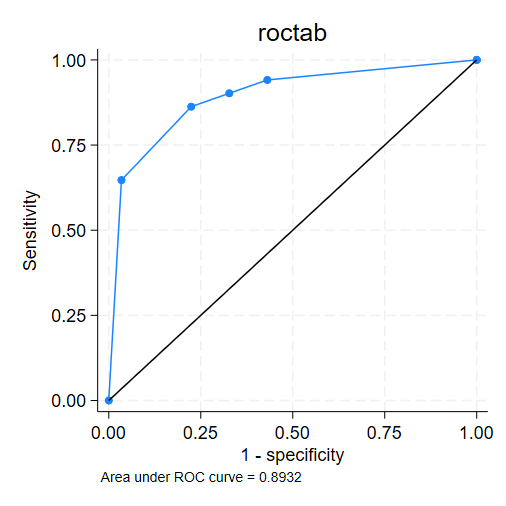
◆Fast. Accurate. Easy to use. Stata is a complete, integrated software package that provides all your data science needs—data manipulation, visualization, statistics, and automated reporting.
◆Broad suite of statistical features and graphs
◆Lots of documentation – over 18,000 pages in 35 volumes. Everything is available right within Stata.
Catalog(PDF)
| Address | 101-0031 2-5-12 Higashi-kanda, Ryukakusan Bldg. 7th floor, Chiyoda-ku, Tokyo |
|---|---|
| TEL | 0338645211 |
| Web site, SNS | https://www.lightstone.co.jp/ |
Geological Survey of Japan, AIST
Geological Survey of Japan, AIST
| Address | 305856305-85677 茨城県つくば市東1-1-1中央第7 |
|---|---|
| TEL | 029-861-3540 |
| Web site, SNS | https://www.gsj.jp/en/index.html |
JGI, Inc
JGI, Inc

| Address | 112-0012 MEIKKEI BUILDING 1-5-21,OTSUKA BUNKYO-KU TOKYO 112-0012,JAPAN |
|---|---|
| TEL | +81-3-5978-8024 |
| FAX | +81-3-5978-8060 |
| Web site, SNS | https://www.jgi-inc.com/ |
JAPEX
JAPEX

| Address | 100-0005 東京都千代田区丸の内1-7-12サピアタワー |
|---|---|
| TEL | 03-6268-7130 |
| FAX | 03-6268-7303 |
| Web site, SNS | https://www.japex.co.jp |
National Astronomical Observatory of Japan, TMT Project/ALMA Project
National Astronomical Observatory of Japan, TMT Project/ALMA Project
Thirty Meter Telescope
Constructed and operated with international cooperation led
on behalf of Europe by ESO,
on behalf of North America by NRAO,
on behalf of East Asia by NAOJ.
2023 marks the 10th anniversary of its inauguration!
Radio wave observations with ALMA allow us to observe dust and gas which are the material of planets.
TMT is an ambitious project with plans to construct on Hawai`i an extremely large telescope with an aperture of 30m with the cooperation of five countries including Japan. The major goals of TMT include search for signatures of life on extrasolar planets and the history of our solar system.
◆TMT Overview
・Aperture:30 meters / 492 segment mirrors
・Wavelength range:0.31-28μm
・Diffraction limit:8miliarcsec (at 1μm)
・Sensitivity:More than 100 times better than conventional telescopes
(when observing a point light source with adaptive optics)
English Brochure (PDF, 2MB)
In Search for Life on Extrasolar Planets
Our Solar System
Science Teams
Maunakea and TMT
Many planetary systems around stars other than our Sun are being discovered today, and we are learning that there exist planets with various sizes and orbits. Recently, planets similar in size as Earth have been discovered, indicating that there are planetary systems much like our own Solar Sytem. Today, infrared observation has advanced to a point of being able to actually capture images of these planets.
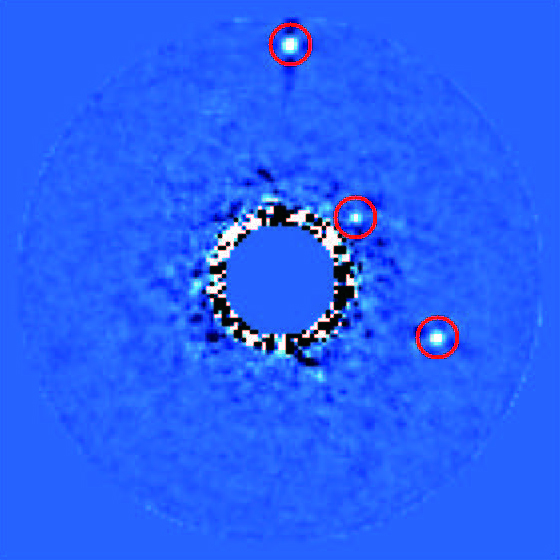
Three Jupiter-like planets around HR8799 discovered by the Subaru Telescope (in red circle). TMT will attempt to directly capture even smaller Earth-like planets. (Credit: CHARIS Team of Princeton University, and NAOJ)
◆Are we alone?
Are there extrasolar planets with existence of life? This is a question common to all humanity. TMT aims to discover signs of life on these planets.
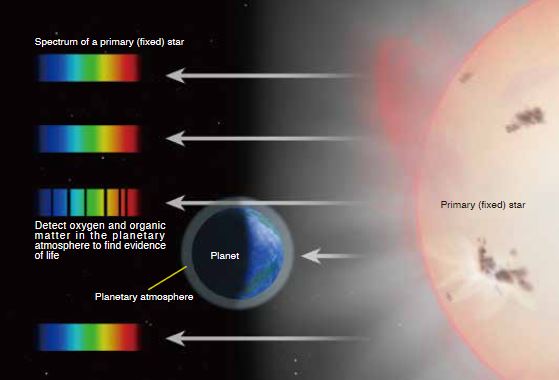
TMT will be able to study the composition of the atmosphere of extrasolar planets through spectroscopic observation. Discovery of oxygen molecules and organic substances could be a signature of existence of extra-terrestrial life.
Exoplanets with TMT (TIO website)
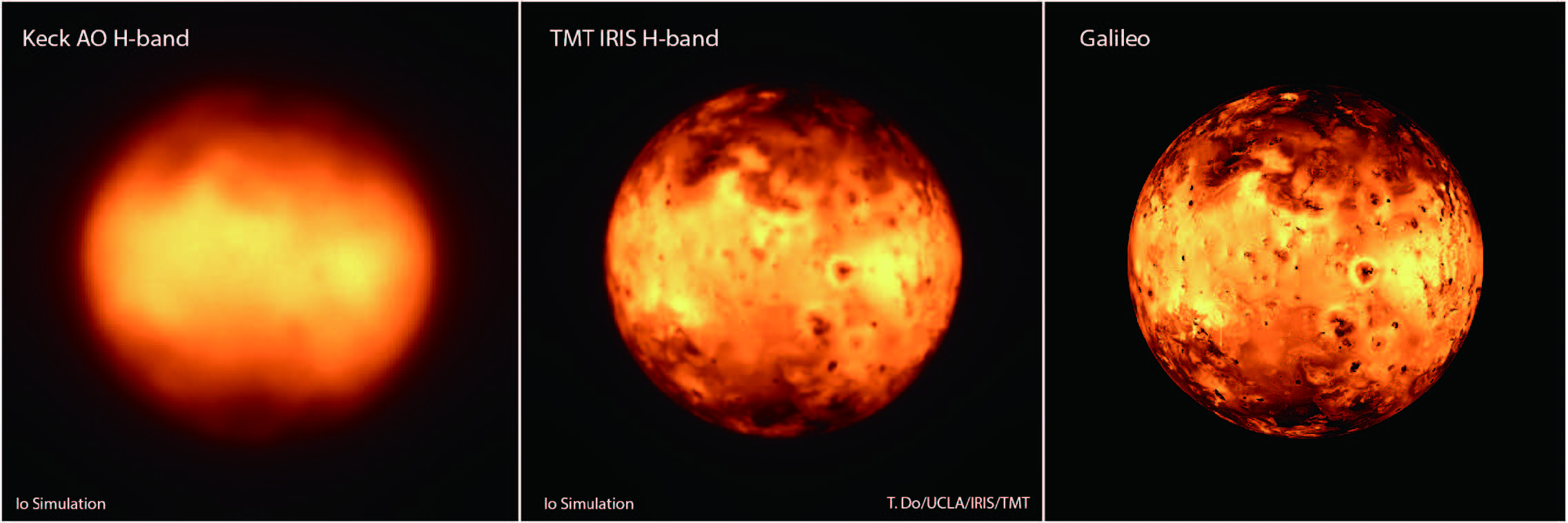
The view of Jupiter's moon Io when observed using adaptive optics. The image on the left is a simulation of a conventional telescope with an aperture of 8 to 10 meters, and the image in the center is a simulation of TMT. The image on the right is the actual image taken by the Galileo spacecraft (Credit: T. Do/UCLA/IRIS)
Our Solar System with TMT (TIO website)
ISDTs (TIO website)
| Address | 181-8588 2-21-1 Osawa, Mitaka, Tokyo, JAPAN |
|---|---|
| Web site, SNS | https://alma-telescope.jp/en/ |
Seisgadget Ltd.
Seisgadget Ltd.
| Address | 1430016 東京都大田区大森北3-31-11 |
|---|
Earth Scientific Drilling Booth
Earth Scientific Drilling Booth
| Address | 2370061 神奈川県横須賀市夏島町2丁目15 |
|---|
OYO Corporation
OYO Corporation

| Address | 331-8012 埼玉県さいたま市北区宮原町1-66-2 |
|---|
Kyoto University Geoscience Union
Kyoto University Geoscience Union
| Address | 606-8502 京都府京都市左京区北白川追分町理学部一号館(連絡先) |
|---|
Japan Synchrotron Radiation Research Institute
Japan Synchrotron Radiation Research Institute

Please contact us anytime for about any question and something about SPring-8 and SACLA.
Contact: Japan Synchrotron Radiation Research Institute (JASRI) User Administration Division
e-mail:jasri-event@spring8.or.jp
Water, Everywhere: Scientists Find Liquid Water in an Ancient Meteorite
-BL47XU(HAXPES/uCT)
Water is abundant in our solar system. Even outside of our own planet, scientists have detected ice on the moon, in Saturn’s rings and in comets, liquid water on Mars and under the surface of Saturn’s moon Enceladus, and traces of water vapor in the scorching atmosphere of Venus.
SPring-8 User Information
SACLA User Information
| Address | 6795198 兵庫県佐用郡佐用町光都1-1-1 |
|---|---|
| Web site, SNS | http://www.spring8.or.jp/en/ |
Tokyo Geographical Society
Tokyo Geographical Society
Although we have no regular meetings for presenting research papers as usual academic societies, we have continued to carry out a wide range of activities enhancing public interests in geoscience since 1879 as below:
1. Enhancing public awareness on geosciences
1) Scientific lectures, excursion and geotours
2) Collecting books and literature related to geosciences and compiling the history of geosciences
3) Introduction of geo-experts among the society members to the public as lecturers, committee members, geotour guides, etc.
4) Cooperation and contact with related academic societies
5) Publicity activities through website
2. Publishing and distribution of geoscience journals and publications
1) Official journal: Journal of Geography (Chigaku Zasshi)
2) Distribution and selling publications of the society
3. Grant and award programs for researches and outreach activities
1) Grants for geoscience researches, international geoscience meetings, and outreach activities and publications
2) Awards for individuals and groups within Japan and abroad, who are significantly contributing to the development and dissemination of geoscience.
Initially, members consisted of members of the imperial families, aristocrats, politicians, diplomats, and military officers. Later, geoscience experts became leading members of the society, reflecting a gradual increase in the number of geoscientists in Japan. Since the 1970s, geoscientists have served as presidents of the society.
Poster on “Foundation of the Tokyo Geographical Society” is displayed in the Exhibition Hall (Booth A51).


The Geoscience Club is a bi/tri-monthly lecture event designed to promote the geosciences, as well as to serve a social function for members and guests. Geoscientists engaged in first-rate research are invited to present state-of-the-art research results in a relaxed, salon-like atmosphere at the auditorium of the Chigaku Kaikan (TGS-owned building in central Tokyo). This series of lecture events has been held since 1961.
Announcements, abstracts, reports, and materials related to the lectures are available on our website and in Journal of Geography to provide records of our activities.
We will plan to hold them periodically again, so please feel free to attend.
Information and reports on geotours and field trips are posted on our website and in the Journal of Geography.
1) Grants for geoscience surveys and research (including educational methods and dissemination research) for up to 10 projects a year, a maximum of ¥500,000 per project
2) Grants for holding international research geoscience meetings in Japan, for one to three projects a year, up to ¥1,000,000 per project
3) Grants for publication activities to promote an understanding of various geoscience phenomena in general and to raise awareness of the geosciences in areas related to geoparks and natural heritage sites in Japan, for one to two projects a year, a maximum of ¥1,000,000 per project
Members receive our bi-monthly publication Journal of Geography, which is published in color, and receive information on lectures, Geoscience Club, and geotours/field trips through the journal and e-mail news. Members can contribute articles to the Journal of Geography, apply for research and publication grants, and participate in a variety of public service activities.
For details on applying for membership, please consult our website.
| Address | 102-0084 東京都東京都千代田区二番町12-2 |
|---|---|
| Web site, SNS | http://www.geog.or.jp/english.html |
Mitsui Mineral Development Engineering Co., Ltd.
Mitsui Mineral Development Engineering Co., Ltd.

Uncover the digital earth with world-leading integrated subsurface software.
MINDECO is an authorised Channel Partner for Seequent subsurface software in Japan.
Transform data into decisions with Oasis montaj. Process, visualise, and interpret over 50 data types and formats and perform integrated model analysis with over 20 application-specific extensions developed for mineral discovery, energy, and subsea exploration.
Rapidly integrate, communicate, and interpret geological data with industry-leading 3D modelling.
Contact us for more information
| Address | 141-0032 11-1, Osaki 1-chome, Shinagawa-ku, Tokyo |
|---|---|
| TEL | +81-90-1531-0471 |
| Web site, SNS | https://www.mindeco.co.jp/en |
KAIYO DENSHI Co.,Ltd.
KAIYO DENSHI Co.,Ltd.
| Address | 350-2211 埼玉県埼玉県鶴ヶ島市脚折町5-19-13 |
|---|
Geodynamics Research Center, Ehime University
Geodynamics Research Center, Ehime University

Geodynamics Research Center (GRC) is an international research institute where researchers conduct leading-edge studies on materials and states of the Earth's deep interior in order to reveal dynamics and evolution of the Earth and planets, based on advanced high-pressure experiments and numerical simulations. We investigate various issues of the Earth and planetary sciences, chemical composition of the Earth's lower mantle, materials and structures of the Earth's core, Earth's deep water, internal structure of solar planets and exoplanets and dynamics of the planetary interior, and expand our techniques and knowledge to a field of material sciences for synthesizing novel useful materials such as the world-hardest material "HIME-Diamond".
The radius of the Earth is about 6,400 km, but only 10 km depth is achieved by drillings. The Earth's deep interior is an unreachable place where pressure and temperature at the center are estimated to be respectively 360 GPa and 5000 K or higher. Thus, high-pressure and temperature experiments and numerical simulations are essential tools to study dynamics and composition under such extreme conditions. Developments of the techiniques at GRC lead to an innovative area of high-pressure materials sciences; syntheses of newly novel materials which are obtainable only by high pressure experiments.
◆PRIUS: Premier Research Institute for Ultrahigh-pressure Sciences
GRC operates PRIUS from 2013 which is one of the "Joint Usage / Research Centers" in Japan authorized by the Ministry of Education, Culture, Sports, Science and Technology. Missions of PRIUS, as an international education and research hub, are to conduct Earth and planetary science and material science research by using the high-pressure techniques with the objective of creating new fields of science thorough the international collaborations and interdisciplinary networks of researchers.
GRC conducts experiments under conditions of ultra high pressure and high temperature experiments of the Earth's and planetary deep interiors by using two types of high-pressure generationg appaturs: Munti-anvil high-pressure apparatus and Diamond anvil cell apparatua. GRC is equipped with several types of Multi-anvil apparatus, including the world-largest class one of 6000-ton press, BOTCHAN.
◆Phase transitions of minerals
A “phase transition” is characterized by the change of configuration of a toms in mineral by the effect of pressure. Diamond is a high pressure form of graphite, whose phase transition occurs at 5 GPa (150 km depth). Measurements of the conditions where the phase transitions occur and changes of the physical properties of minerals (density, sound velocity, chemical properties etc) accompanying the phase transition bring fruitful information for understandings of the Earth's deep structure and materials.
◆Numeral simulations
Ab initio computations: Theoretical and computational investigation on the
ultrahigh-pressure behaviors of materials in the Earth and planets are conducted by using computer simulations based on quantum mechanics.
Fluid mechanics computation: Numerical simulations based on the fluid and continuum mechanics are conducted to reveal the convective motions in the mantle and core of the Earth and terrestrial planets for the understandings of the dynamics and evolution processes of the planets. Large scale computations using realistic parameters of the Earth, phase transitions, viscosity and compression behaviors under high pressure, are performed for 3-D spherical-geometry simulations.
HIME-Diamond synthesized in GRC is the hardest diamond and likely the hardest material in the world. Unlike normal diamond made of a single
crystal, HIME-Diamond consists of closely-packed nanometer-sized diamonds (~10 nanometers = one hundred-thousandth millimeters). Thus the HIME-Diamond is also called "Nano-polycrystalline diamond (NPD)".
◆Toward higher pressure generations
Experiments under higher pressure are of importance to investigate the interiors of the Earth and planets. The harder the compression material is, the higher the pressure we can reach and thus HIME-Diamond plays a
major role in future development of experiments at ultrahigh pressure. The high transparency of HIME-Diamond enables high-pressure experiments using optical in-situ observations and synchrotron radiations.
◆Novel polycrystalline materials and gems
GRC conducts syntheses of novel polycrystalline materials by applying techniques learned from making of HIME-Diamond. Nano-polycrystalline
stishovite (NPS) made from silica (SiO2) is one of the novel materials synthesized by GRC. NPS shows excellent physical properties having both hardness and toughness. Garnets (one of the main constituents within the Earth) with a variety of chemical compositions can be synthesized as nano-polycrystalline materials.
| Address | 790-8577 2-5 Bunkyo-cho, Matsuyama Ehime 790-8577 Japan |
|---|---|
| TEL | 089-927-8165 |
| Web site, SNS | https://www.grc.ehime-u.ac.jp/en/ |
Geosys, Inc.
Geosys, Inc.

| Address | 1120012 1-5-18,Otsuka, Bunkyo-ku,Tokyo,112-0012, Japan |
|---|---|
| TEL | 03-5940-5952 |
| Web site, SNS | https://www.geosys.co.jp |