


Exhibitors①
Katsujima Co., Ltd.
Katsujima Co., Ltd.
| Address | 125-0063 4-16-18 Shiratori, Katsushika-ku, Tokyo, JAPAN |
|---|---|
| TEL | 03-3603-7111 |
| FAX | 03-3603-7180 |
| Web site, SNS | https://www.katsujima.co.jp |
JAXA Earth Observation Research Center
JAXA Earth Observation Research Center
JAXA Earth Observation Research Center (EORC) conducts calibration & validation of satellite data, and the Earth science research and application research using these data.
EORC conducts research in the field of Earth science such as global climate change, water cycle, atmospheric environment and crustal movements, using satellite data while developing calibration & validation and analysis methods to improve data accuracy of sensors onboard Earth observation satellites.
Earth-graphy (All about JAXA's Earth Observations)
 Satellite Navigator
 Follow our SNS! Get the latest information. (Japanese only)

X (Twitter)
JAXA Satellite Navigator
YouTube
JAXA Satnavi Channel

LINE Stickers
JAXA Earth Observing Satellite Stickers
JAXA Earth API allows you to easily access satellite data in Python or JavaScript code. Please see the website below for details.
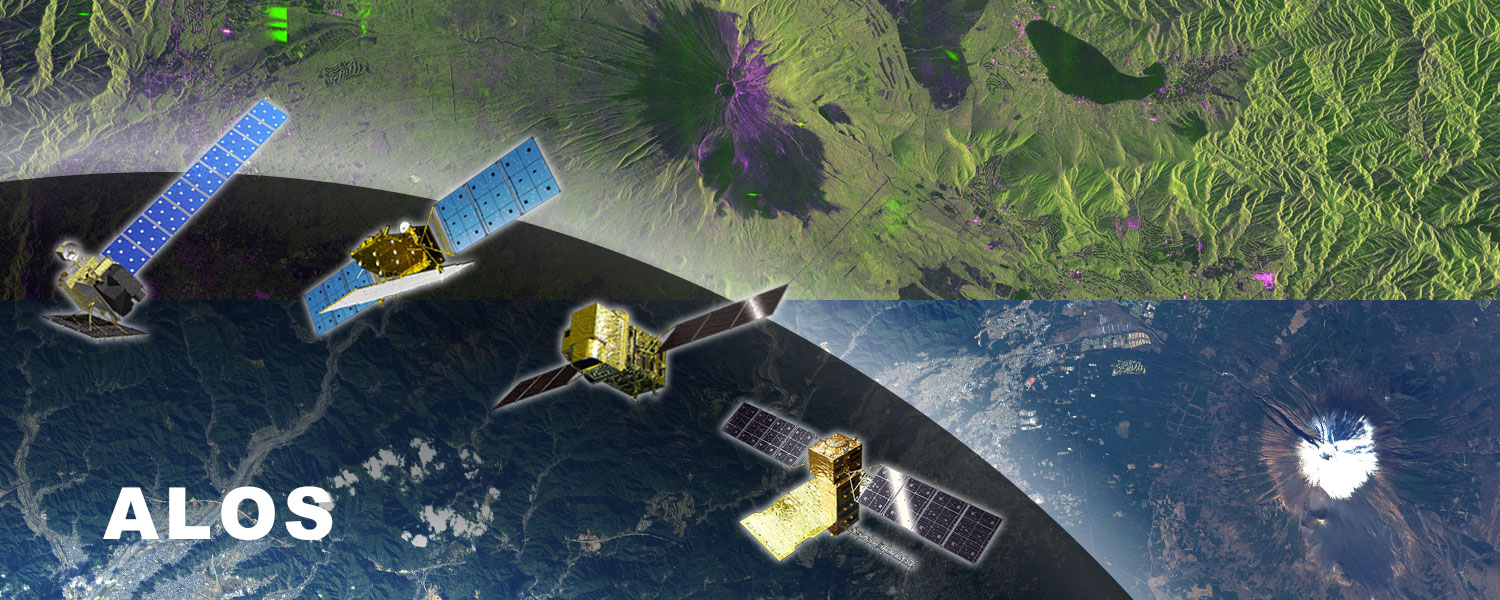 ALOS Research and Application Project conducts the Earth science / application research using Synthetic Aperture Radar (SAR) and high-resolution optical sensors onboard the "DAICHI" (ALOS) series satellites. ALOS Research and Application Project
 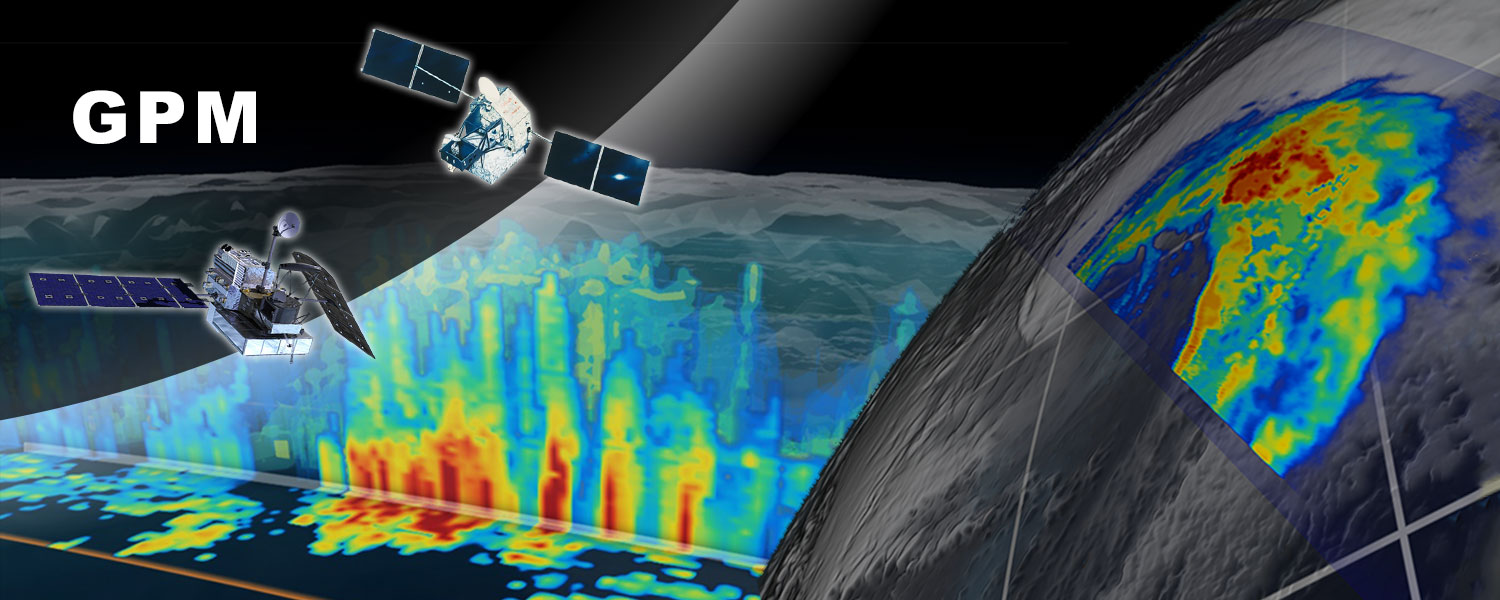 GPM project conducts the Earth science / application research and calibration & validation in the field of precipitation and water cycle using the precipitation radar onboard earth observation satellites. The precipitation radar enables observation of three-dimensional structure of rain and snow. GPM Project
 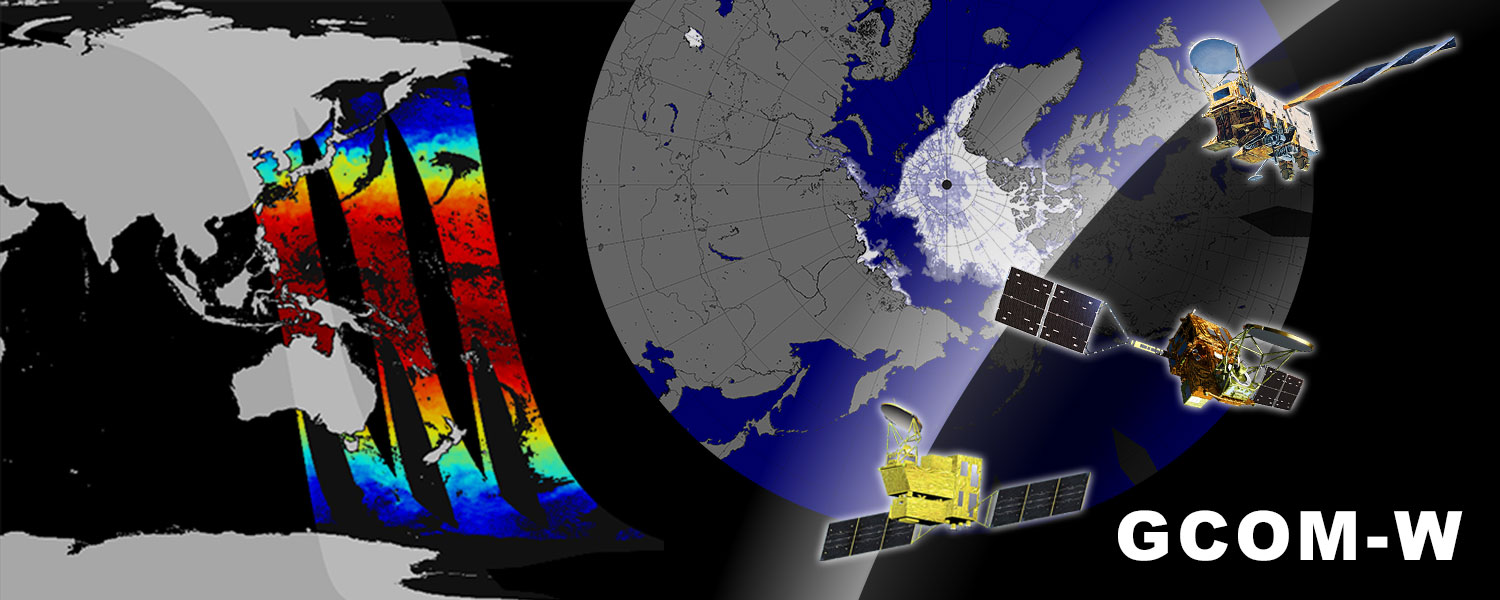 GCOM-W project conducts the Earth science / application research and calibration & validation activities related to climate and water cycle variations using the Advanced Microwave Scanning Radiometer (AMSR) series. GCOM-W Project AMSR Series
 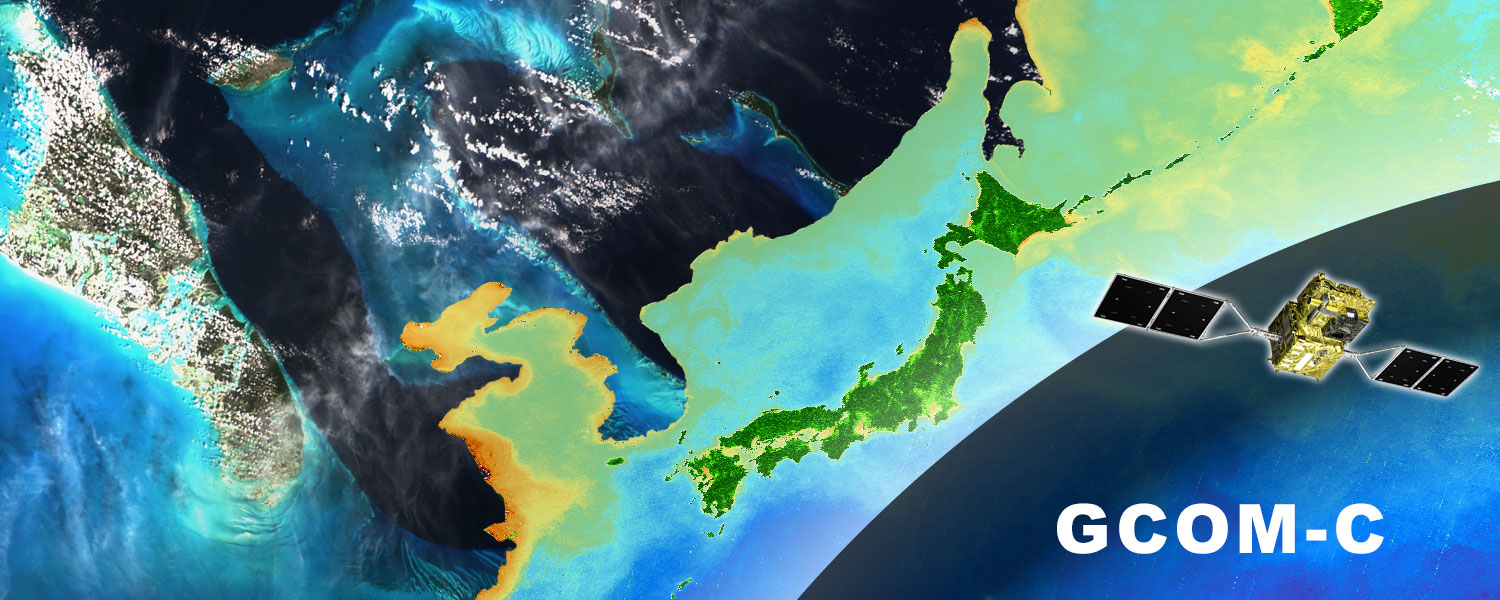 GCOM-C project conducts the Earth science / application research and calibration & validation related to climate change using the Second generation GLobal Imager (SGLI) onboard Earth observation satellite "SHIKISAI" (GCOM-C). GCOM-C Project
 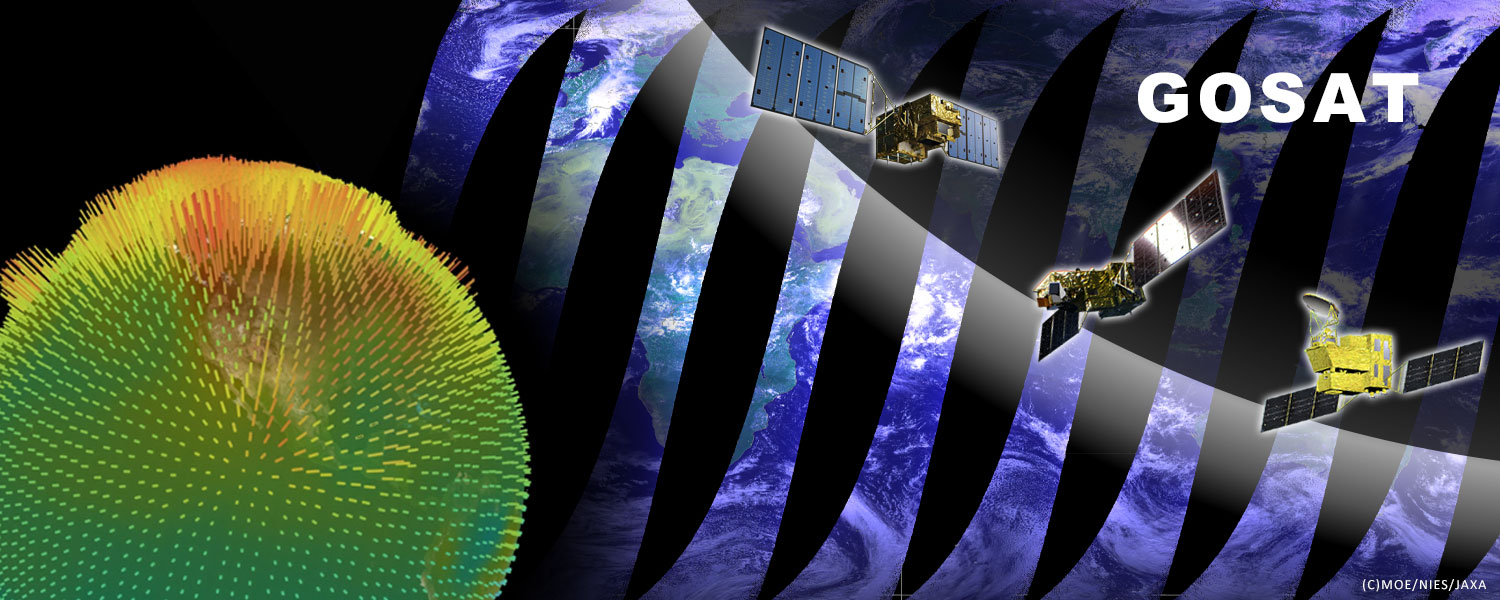 GOSAT project conducts research and development and data calibration & validation by using sensors onboard the "IBUKI" (GOSAT) series satellites for observing greenhouse gases (carbon dioxide, methane) which are the causes of global warming. GOSAT Project
 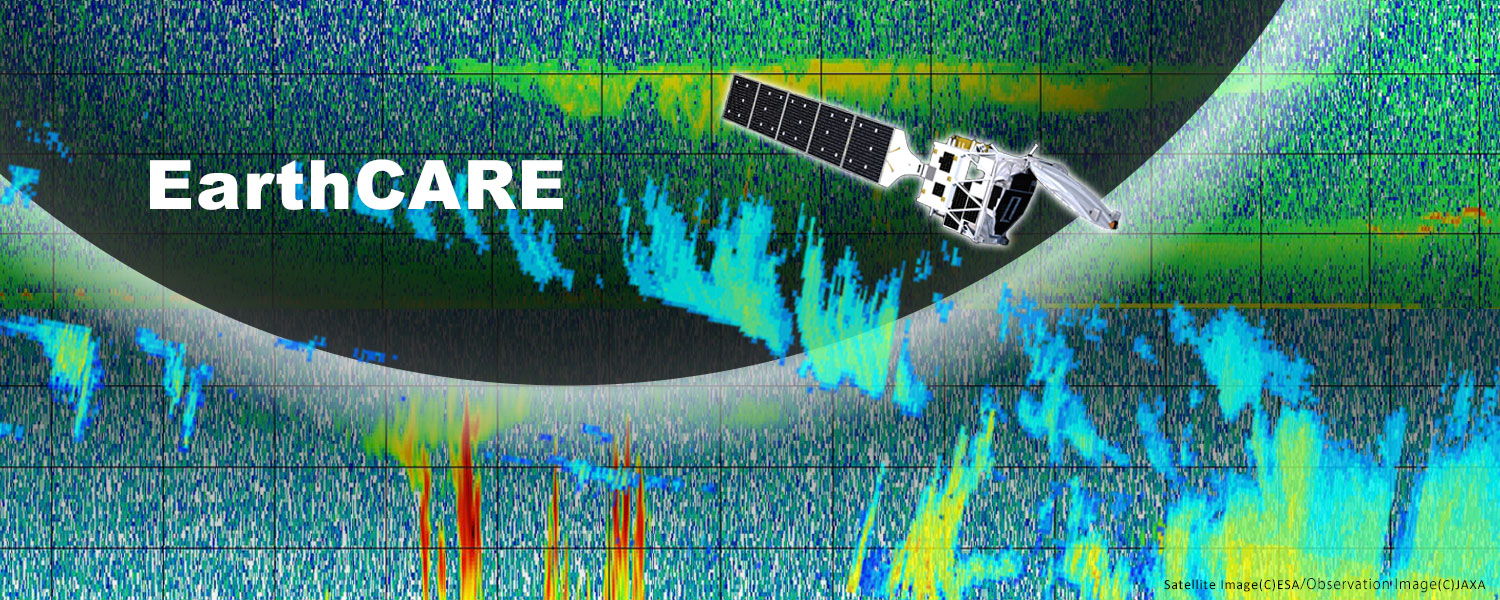 EarthCARE is an Earth observation satellite mission developed jointly by Japan and Europe. It is expected that the mission will improve the numerical climate model and contribute to improving the accuracy of climate change prediction. EarthCARE Project JAXA Employment Opportunities (English site)
National Research Institute for Earth Science and Disaster Resilience
National Research Institute for Earth Science and Disaster Resilience


| Address | 305-0006 3-1 Tennodai, Tsukuba, Ibaraki 305-0006, JAPAN |
|---|---|
| TEL | 029-851-1611 |
| FAX | 029-851-3246 |
| Web site, SNS | https://www.bosai.go.jp/e/ |
NV5 GEOSPATIAL SOLUTIONS K.K.
NV5 GEOSPATIAL SOLUTIONS K.K.
| Web site, SNS | http://www.nv5geospatialsoftware.com/ |
|---|
LightStone Corp.
LightStone Corp.

We are distributor of computer software for scientific research.
Providing fully user support from 1995.
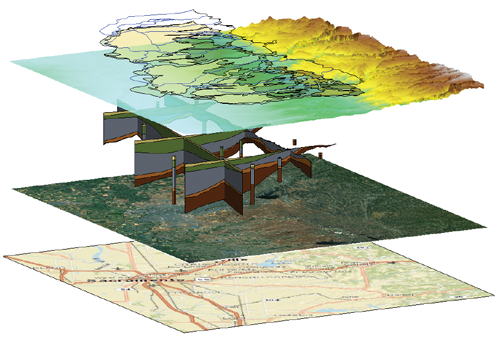
Surface-water Modeling System SMS
Watershed Modeling System WMS
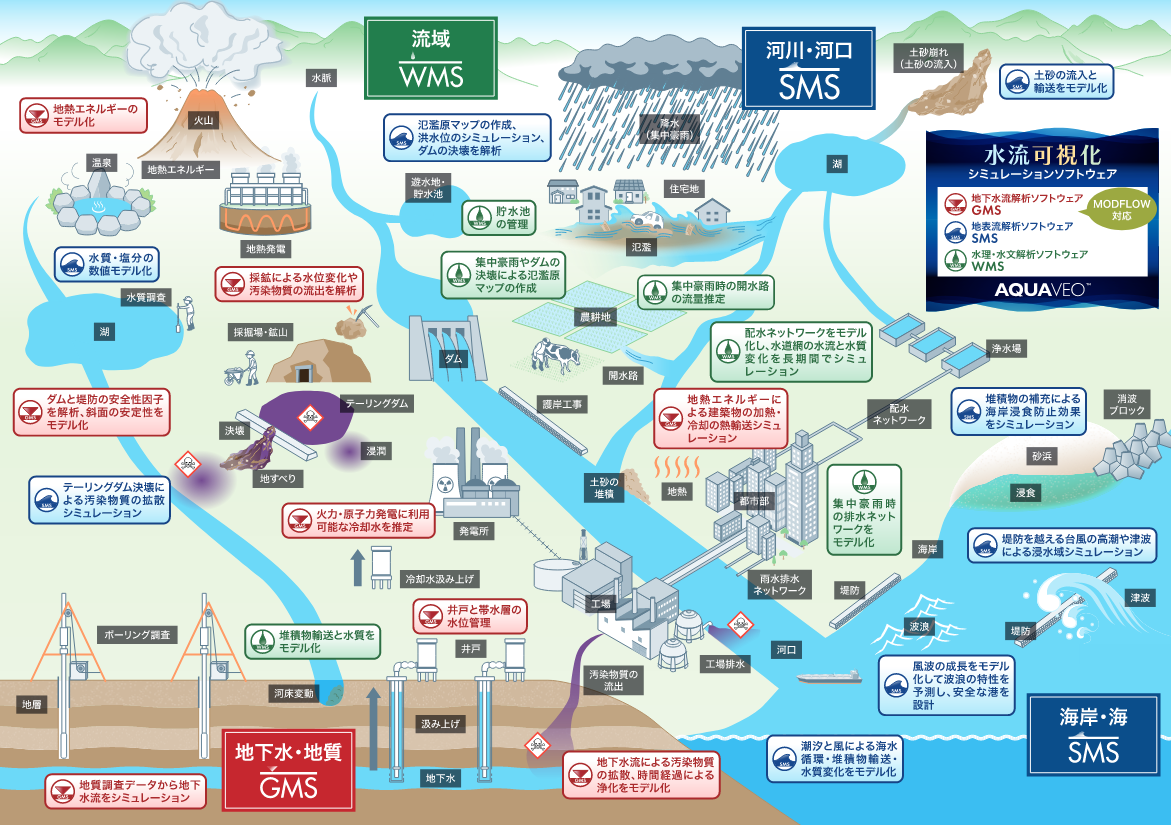
◆Groundwater flow, coastal & riverine environments and hydrologic simulations
◆Create 3D models with speedy & simplicity user interface
◆Simulations for flood hazard, contamination & transport, well management, coastal sediments and so on.
◆Dedication to MODFLOW support
Catalog (PDF)
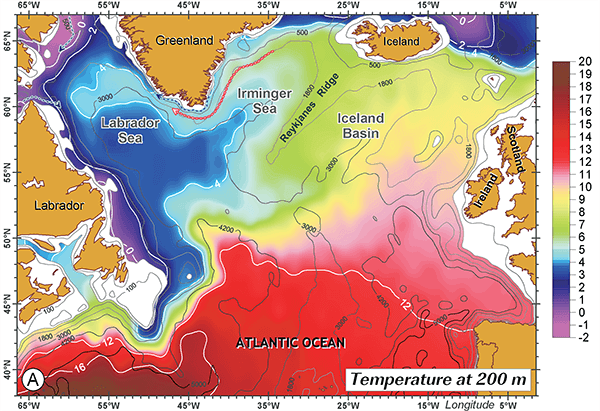
Surfer/Grapher
◆Create Contour Maps, 3D Suffuse, Grid Value and other type of maps
◆Grid data with certainty
◆Work seamlessly with all coordinate systems
Grapher
◆high-quality 2D/3D graphing tools
OriginPro
◆Curve fitting, FFT and other powerful analysis & statistics tools
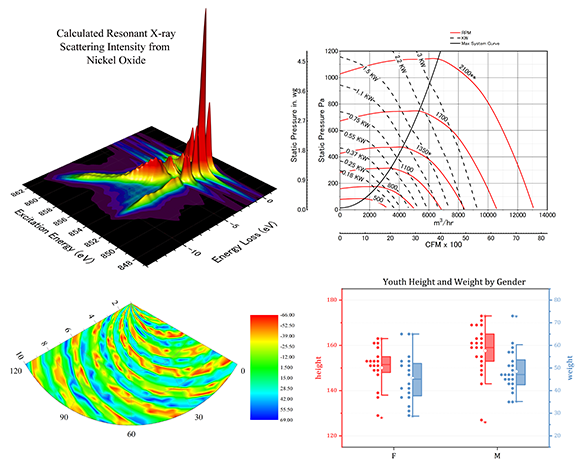
Catalog (PDF, 17MB)
MIPAR
◆With greater accuracy than other automated solutions
◆With built-in supervision over your results
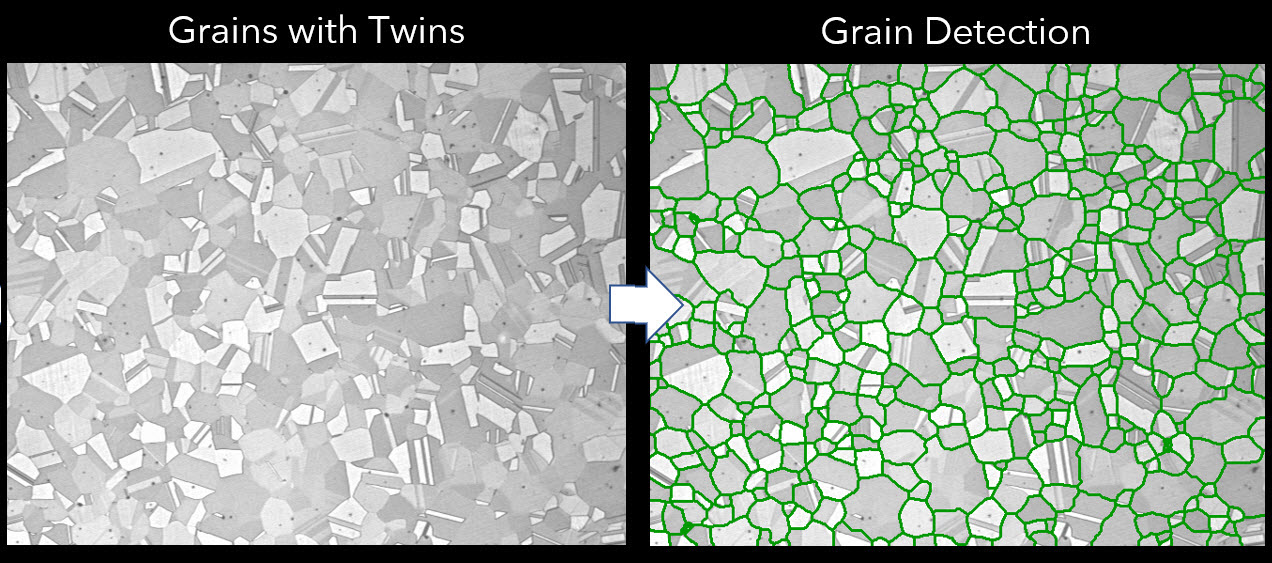
Catalog(PDF)
Phase Identification & Quantitation PDF-4/PDF-2
◆Simulation and Visualization
◆Cluster Analysis
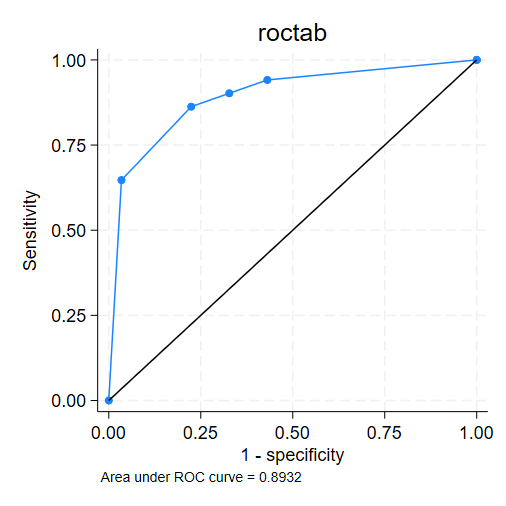
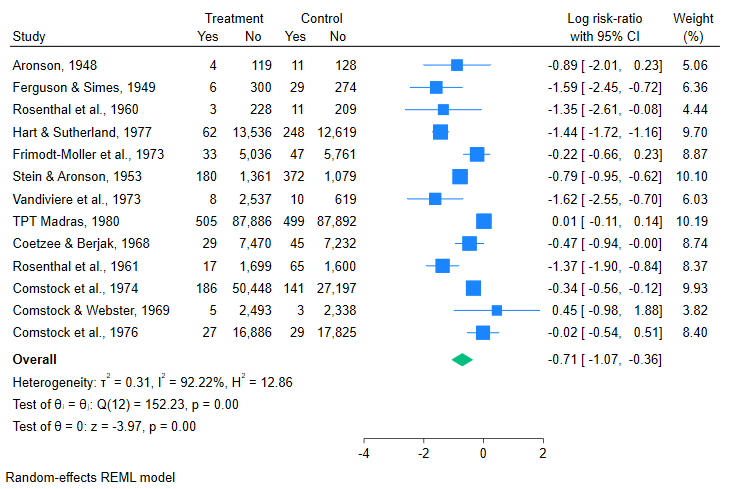
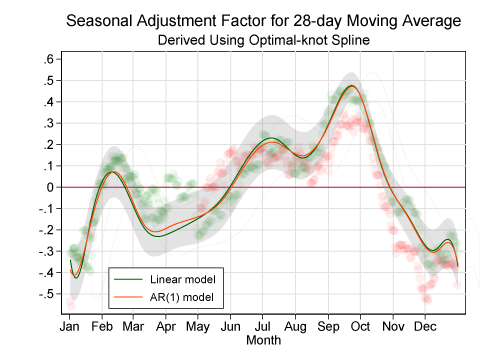
Stata
◆Broad suite of statistical features and graphs
◆Lots of documentation – over 18,000 pages in 35 volumes. Everything is available right within Stata.
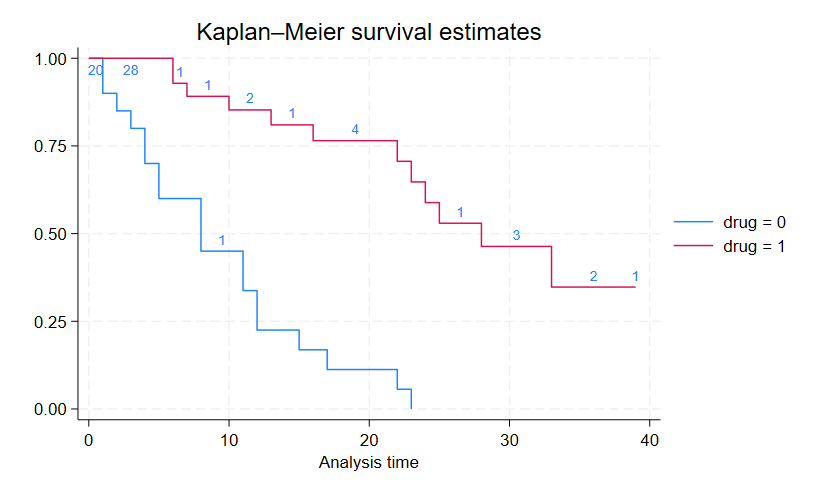
Catalog(PDF)
| Address | 101-0031 2-5-12 Higashi-kanda, Ryukakusan Bldg. 7th floor, Chiyoda-ku, Tokyo |
|---|---|
| TEL | 0338645211 |
| Web site, SNS | https://www.lightstone.co.jp/ |
Department of Earth and Planetary Science, The University of Tokyo
Department of Earth and Planetary Science, The University of Tokyo
Newtech Co.,Ltd.
Newtech Co.,Ltd.
Yokogawa Electric Corporation
Yokogawa Electric Corporation

【Exhibit Details】
The flow imaging microscope FlowCam8000, which will be exhibited this time, is a digital imaging microscope,
It combines the advantages of flow cytometry and microscopy in one instrument. It counts and analyzes tens of thousands of particles per minute, and can measure and analyze particles that cannot be observed with the naked eye with high image quality. It supports particle sizes of 2μm~1mm.
The FlowCam series is the world's first particle analyzer that uses flow imaging technology to automatically measure the size and shape of fine particles (including more than 40 features) in liquids. The FlowCam series continues to lead the way in particle analysis using flow imaging microscopy.
At the exhibition, we will introduce the actual equipment with a demonstration. Please stop by our booth.
【Business Activities】
This project supports people's lives and protects their health and safety.
In addition to pharmaceuticals and medical care, Yokogawa contributes to the supply of safe water and food that everyone can eat with peace of mind. We aim to improve the productivity of the entire value chain in the pharmaceutical and food fields by supporting the creation of new products and the innovation of production processes with the sensing and control technologies that we have cultivated over many years, including in other fields.
| Address | 180-8750 2-9-32 Nakamachi, Musashino-shi, Tokyo |
|---|---|
| Web site, SNS | https://www.yokogawa.com/us/solutions/products-and-services/life-science/ |
Earth-Life Science Institute (ELSI)
Earth-Life Science Institute (ELSI)
In April 2022, ELSI established a new graduate programme in Earth-Life Science. This is one of the few integrated five-year Masters-PhD programmes provided fully in English in Japan. Students will receive both a Master’s degree and a PhD degree upon completion (upon completion of both a Master’s and PhD dissertation and defence in the second year and fifth years, respectively). ELSI has a target to accept up to 10 students per year (~5 Japanese, 5 international1) with financial support available (vide infra). Students will be affiliated with and formally supervised an ELSI Principal Investigator2 (PI) from one of the following departments:
-Department of Earth and Planetary Sciences (EPS)
-Department of Life Science and Technology (LST)
-Department of Chemical Science and Engineering (CSE)
For more information please visit ELSI Graduate Course website.
Materials from a recently held information session
| Address | 152-8550 2-12-1-, Ookayama, Meguro-ku, Tokyo, JAPAN |
|---|---|
| TEL | 03-5734-3163 |
| Web site, SNS | https://www.elsi.jp/en/ |
Tokyo Geographical Society
Tokyo Geographical Society
Although we have no regular meetings for presenting research papers as usual academic societies, we have continued to carry out a wide range of activities enhancing public interests in geoscience since the TGS establishment in 1879 as below:
1. Enhancing public awareness on geosciences
1) Scientific lectures, excursion and geotours
2) Collecting books and literature related to geosciences and compiling the history of geosciences
3) Introduction of geo-experts among the society members to the public as lecturers, committee members, geotour guides, etc.
4) Cooperation and contact with related academic societies
5) Publicity activities through website
2. Publishing and distribution of geoscience journals and publications
1) Editing and publishing the official journal: Journal of Geography (Chigaku Zasshi)
2) Distribution and selling publications of the society
3. Grant and award programs for researches and outreach activities
1) Grants for geoscience researches, international geoscience meetings, and outreach activities and publications
2) Awards for individuals and groups within Japan and abroad, who are significantly contributing to the development and dissemination of geoscience.
Initially, members consisted of members of the imperial families, aristocrats, politicians, diplomats, and military officers. Later, geoscience experts became leading members of the society, reflecting a gradual increase in the number of geoscientists in Japan. Since the 1970s, geoscientists have served as presidents of the society.
Poster on “Foundation of the Tokyo Geographical Society” is displayed in the Exhibition Hall (Booth A13).
Special issues on themes of particular interest to geoscientists, including natural and human geography, focus mainly on the Japanese archipelago and the Asian region as a whole. Distinguished geoscientists engaged in a wide range of fields provide valuable review papers summarizing the frontiers of their research. Published in color, examples of recent issues are shown below.
The Geoscience Club is a bi/tri-monthly lecture event designed to promote the geosciences, as well as to serve a social function for members and guests. Geoscientists engaged in first-rate research are invited to present state-of-the-art research results in a relaxed, salon-like atmosphere at the auditorium of the Chigaku Kaikan (TGS-owned building). This series of lecture events has been held since 1961.
Geoscience Club and scientific lectures are open to the general public and do not require pre-registration.
We will announce the schedules on the TGS website (Lectures and Geoscience Club page), so please feel free to attend.
In the case of domestic tours lasting one-day or a few days, experts who are familiar with the nature and history of areas visited act as guidesf and provide detailed and easy-to-understand explanations of geosites and important related issues.
The Society organizes oversea field trips of a few days to one week once a year, which include visits to prominent geosites, natural museums, and geologically important sites.
Information and reports on geotours and field trips are posted on the TGS website (News/Geotours and Field Trips page) and in the Journal of Geography.
1) Grants for geoscience surveys and research (including educational methods and dissemination research) for up to 10 projects a year
2) Grants for holding international research geoscience meetings in Japan, for one to three projects a year
3) Grants for publication activities to promote an understanding of various geoscience phenomena related to geoparks and natural heritage sites in Japan, for one to two projects a year
4) Grants for outreach activities to promote an understanding of various geoscience and geography in high school clubs, for one to two projects a year since 2024
5) Grants for outreach activities to promote an understanding of various geoscience and geography education in high schools, for one to two projects a year since 2024
6) Emergency Research and Survey Grants 2024 for Noto Peninsula Earthquake of January 2024 for a few projects
A list of award recipients is available on the TGS website (Award Recipients).
| Address | 102-0084 Chigaku Kaikan Building, 12-2 Nibancho, Chiyoda-ku, Tokyo, 102-0084 Japan |
|---|---|
| TEL | 03-3261-0809 |
| FAX | 03-3263-0257 |
| Web site, SNS | http://www.geog.or.jp/english.html |
Institute for Planetary Materials, Okayama University
Institute for Planetary Materials, Okayama University

For more information about the Institute and its faculty members, please refer to the Institute's webpage.
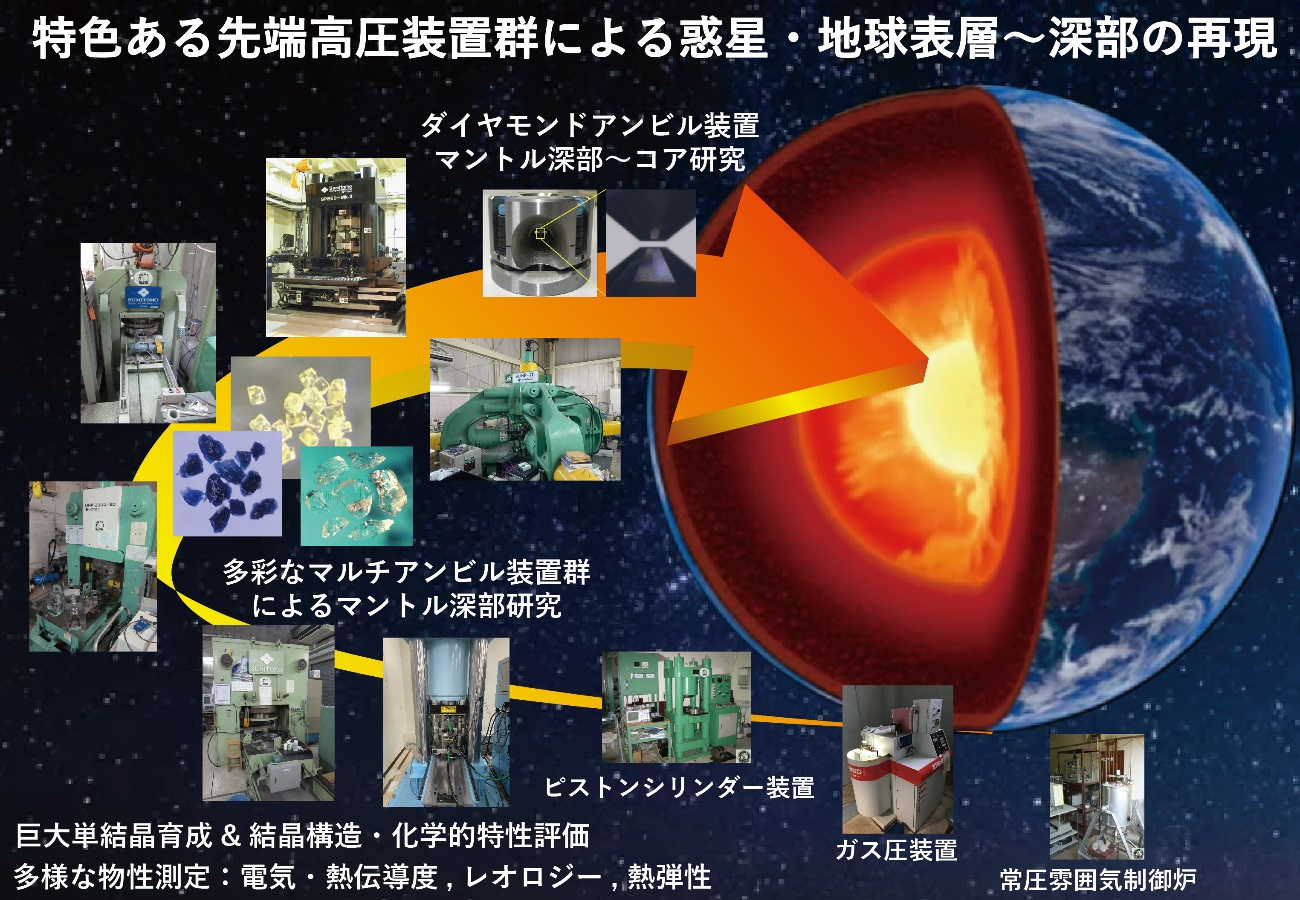
The aim of this division is to elucidate the structure and physical properties of terrestrial and planetary materials by experimental and computational methods, and to elucidate the internal structure, dynamics, and evolutionary processes of the Earth and planets. Our approaches include the development of ultrahigh-pressure generation techniques, large-volume high-pressure generation techniques, high-pressure and high-temperature in-situ physical property measurement methods, atomic-level structural analysis of materials, and first-principles calculations for physicochemical understanding.
Division of Planetary Materials Analytical Chemistry
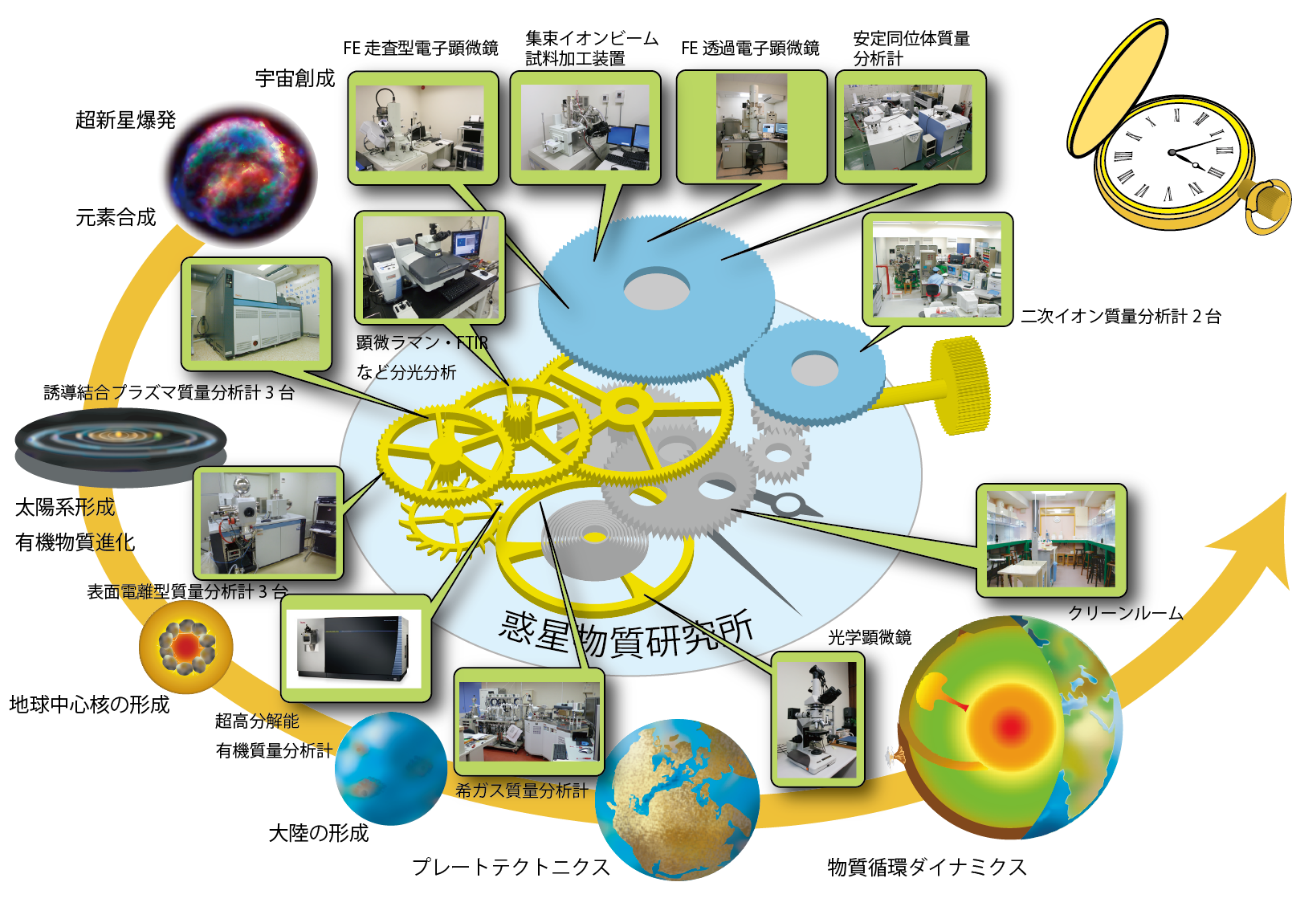
Our objective is to understand the origin, evolution, and dynamics of the Earth and planets based on high-precision quantitative analysis, mass spectrometry, and spectroscopic analysis of terrestrial and extraterrestrial materials. To conduct these studies, we are developing comprehensive and advanced analytical methods and constructing a "Comprehensive Analysis System for Earth and Planetary Materials (CASTEM24remote)," which integrates different analytical instruments that can be operated remotely from outside the institute.
Division of Planetary Surface Environment Science
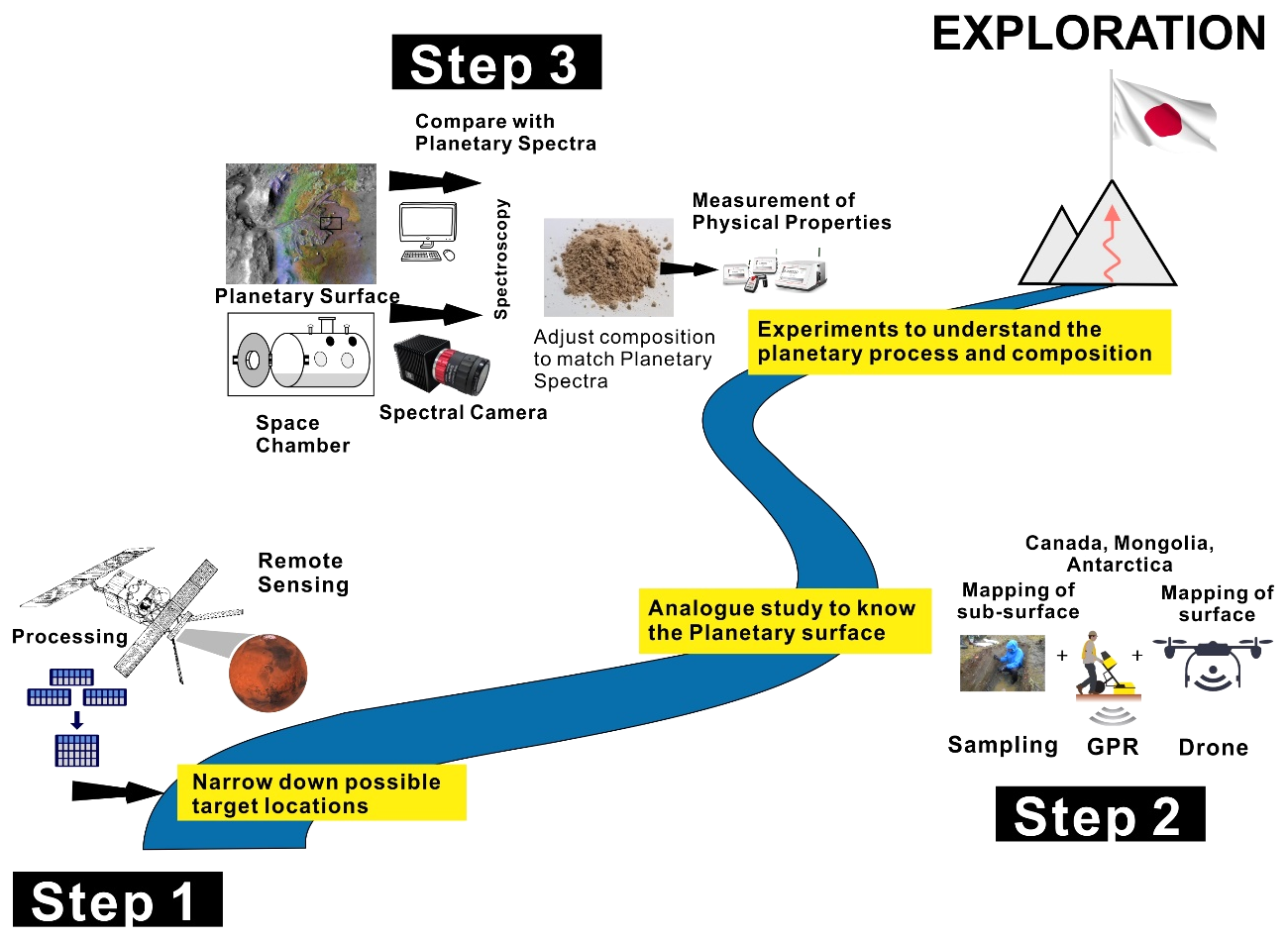
This division was established this year with the goal of exploring the evolution of Earth's and other planetary surface environments from historical to future perspectives. We examine a range of phenomena, from large-scale geological and geomorphological processes on planetary surfaces to water-rock interactions at the molecular level, utilizing simulation experiments in space chambers, remote sensing technologies and terrestrial analogues. Beyond fundamental research, we are committed to conducting studies that support global environmental preservation and practical research aimed at future human colonization of extraterrestrial planets.
| Address | 682-0193 827 Yamada, Misasa, Tottori 682-0193, Japan |
|---|---|
| TEL | 0858-43-1215 |
| FAX | 0858-43-2184 |
| Web site, SNS | https://www.misasa.okayama-u.ac.jp/eng/ |
Geosys, Inc.
Geosys, Inc.

| Address | 112-0012 1-5-18, otsuka, Bunkyo-ku, Tokyo JAPAN |
|---|---|
| TEL | 03-5940-5952 |
| Web site, SNS | https://www.geosys.co.jp/ |
hakusan
hakusan

| Address | 183-0023 KDX Fuchu Building 8F,1-40,Miyamachi,Fuchu-shi,Tokyo |
|---|---|
| TEL | 042-333-0080 |
| FAX | 042-333-0096 |
| Web site, SNS | https://www.hakusan.co.jp/english/ |
RIHN
RIHN

"RIHN Library" RIHN's research activities and results
RIHN promotes "Human and Environmental Studies" as a form of comprehensive knowledge, including interdisciplinary research that combines the humanities, social sciences, and natural sciences, as well as a transdisciplinary approach that aims to solve problems in collaboration with society.
| Web site, SNS | https://www.chikyu.ac.jp/rihn_e/ |
|---|
Earth Scientific Drilling Booth
Earth Scientific Drilling Booth
Tohoku University & JAMSTEC Advanced Institute for Marine Ecosystem Change (WPI-AIMEC)
Tohoku University & JAMSTEC Advanced Institute for Marine Ecosystem Change (WPI-AIMEC)
| Web site, SNS | https://wpi-aimec.jp/en/ |
|---|