


Exhibitors②
National Institute for Environmental Studies
National Institute for Environmental Studies


https://www.nies.go.jp/osirase/saiyo/r06-r-016.pdf (in Japanese)
(2) Expert
https://www.nies.go.jp/osirase/saiyo/r06-e-029.pdf (in Japanese)
Job openings are also posted regularly on the recruitment page of the National Institute for Environmental Studies website. Please check it out.
https://www.nies.go.jp/osirase/saiyo/index-e.html
| Address | 305-8506 16-2 Onogawa, Tsukuba, Ibaraki, Japan |
|---|---|
| Web site, SNS | https://www.nies.go.jp/soc/en/ |
Sanyo Trading Co., Ltd.
Sanyo Trading Co., Ltd.
Bruker Japan
Bruker Japan

| Address | 221-0022 3-9 Moriyacho, Kanagawa-ku, Yokohama, Kanagawa |
|---|---|
| TEL | 090-1059-4962 |
| FAX | 045-453-1825 |
| Web site, SNS | https://www.bruker.com/en/products-and-solutions/elemental-analyzers/micro-xrf-spectrometers.html |
Beta Analytic
Beta Analytic

Reliable, high quality Dating and Isotope Analysis!
About Beta Analytic & Isobar Science
Beta Analytic’s radiocarbon dating lab revolutionized the fields of archaeology and late quaternary geology. Beta’s services for sediments include Radiocarbon (14C) dating and Carbon (δ13C) isotopes with a turnaround time of 3-14 business days.
Isobar Science is a subsidiary of Beta Analytic, specializing in isotope services for Geochronology, Geochemical Fingerprinting, and Environmental Source-Tracking. Services offered for sediments include Strontium (87Sr/86Sr), Boron (δ11B) and Lead (Pb) isotopes.
While the laboratories are based in Miami, Florida, forwarding offices are availa-ble worldwide for efficient sample submissions, including in London, Madrid, Nagoya, Taipei, Xiamen and Seoul.
| Address | 33155 4985 S.W. 74th Court Miami, FL |
|---|---|
| Web site, SNS | https://www.radiocarbon.com/ |
Nanometrics
Nanometrics
Nanometrics provides precision seismic instruments, turnkey monitoring systems, and actionable data insights to advance Earth science research and responsible environmental stewardship. With decades of innovation and a commitment to collaboration, we serve leading scientific institutions, universities, government agencies, and industries worldwide to mitigate seismic risk and understand our planet.
| Web site, SNS | https://nanometrics.ca/home |
|---|
Geological Survey of Japan, AIST
Geological Survey of Japan, AIST
| Web site, SNS | https://www.gsj.jp/en/index.html |
|---|
JGI,Inc.
JGI,Inc.
| Address | 112-0012 東京都文京区大塚1丁目5-21 |
|---|---|
| TEL | +81-3-5978-8024 |
| FAX | +81-3-5978-8060 |
| Web site, SNS | https://www.jgi-inc.com/ |
JAPEX
JAPEX

| Address | 100-0005 Sapia Tower 1-7-12, Marunouchi, Chiyoda-ku, Tokyo 100-0005, Japan |
|---|---|
| TEL | 03-6268-7130 |
| FAX | 03-6268-7303 |
| Web site, SNS | https://www.japex.co.jp/en/ |
Paleo labo co.,Ltd., Ritsumeikan Univ., The University of Tokyo
Paleo labo co.,Ltd., Ritsumeikan Univ., The University of Tokyo
| Address | 335-0016 埼玉県戸田市下前1-13-22リブネスモア戸田公園1F |
|---|---|
| TEL | 048-446-2345 |
| Web site, SNS | https://www.paleolabo.jp/English_site/e-toppage.html |
SoftBank Corp. / ALES Corp. / CSESS
SoftBank Corp. / ALES Corp. / CSESS

ichimill is a service that enables advanced positioning with an error of a few centimeters by performing RTK positioning using signals received from GNSS such as the quasi-zenith satellite "Michibiki".
With general GNSS (GPS), the positioning error is around 5m to 10m, but SoftBank distributes "correction information" via the network.
By performing RTK positioning calculations using the signals received by the GNSS receiver, real-time positioning with an error of several centimeters is possible.
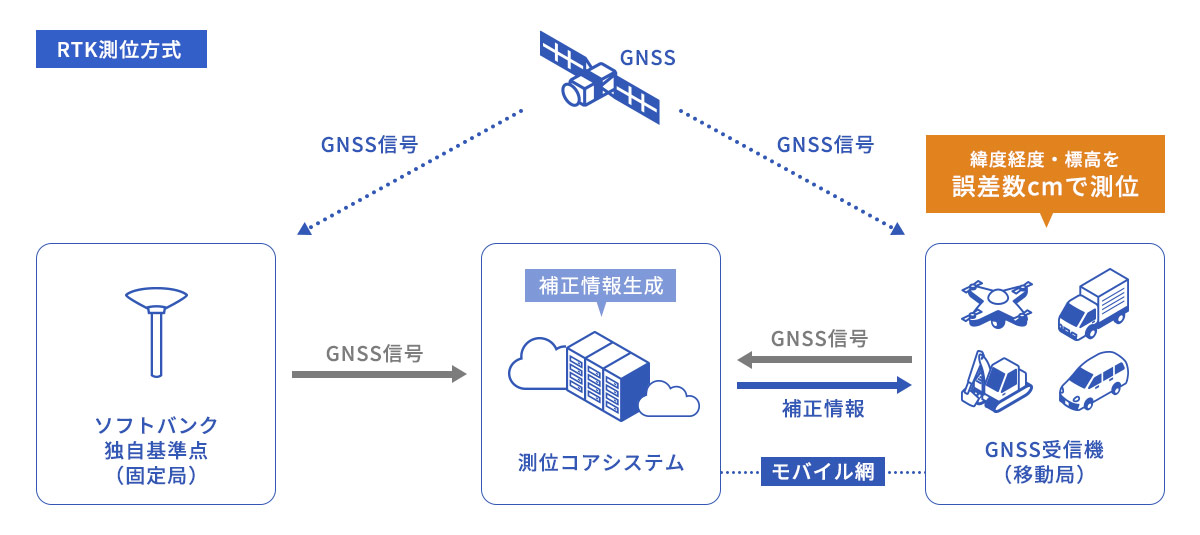
<Establishing high-density original reference sites>
By utilizing its own base station installation locations, SoftBank has installed its own reference sites (fixed stations) required for RTK positioning in more than 3,300 locations nationwide.
No reference site preparation is required by the customer.
<Stable positioning is possible even when moving over a wide area>
Because reference sites are deployed at a high density throughout the country, stable positioning can be achieved with very short switching times (handovers).
Continuous high-precision positioning is possible even when traveling long distances, such as crossing reference sites.
https://www.softbank.jp/biz/services/analytics/ichimill/

■Centimeter-level positioning service (for individual customers)
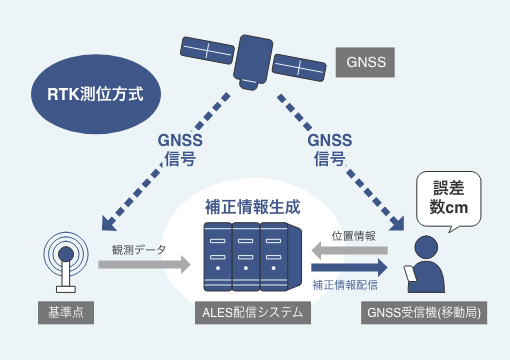
<Real-time data distribution (Ntrip method)>
Correction information generated by the "ALES distribution system" using observation data provided by SoftBank Corp.will be distributed to the customer's GNSS receiver via the Internet (Ntrip).
By using this correction information, this service enables highly accurate positioning with an error of a few centimeters in real time.
https://ales-corp.co.jp/service/
■Post-processing data service (for corporate customers)
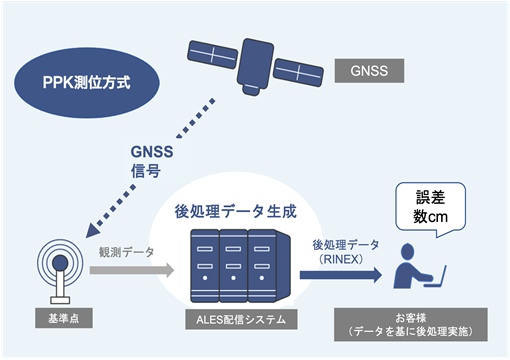
<File download method>
This is a service that provides corrected data generated based on observation data from unique reference sites provided by SoftBank Corp. in file format (RINEX) for post-processing.
Highly accurate positioning is possible by performing post-processing using observation data acquired by the customer's GNSS receiver and this data.
https://ales-corp.co.jp/dataservice/

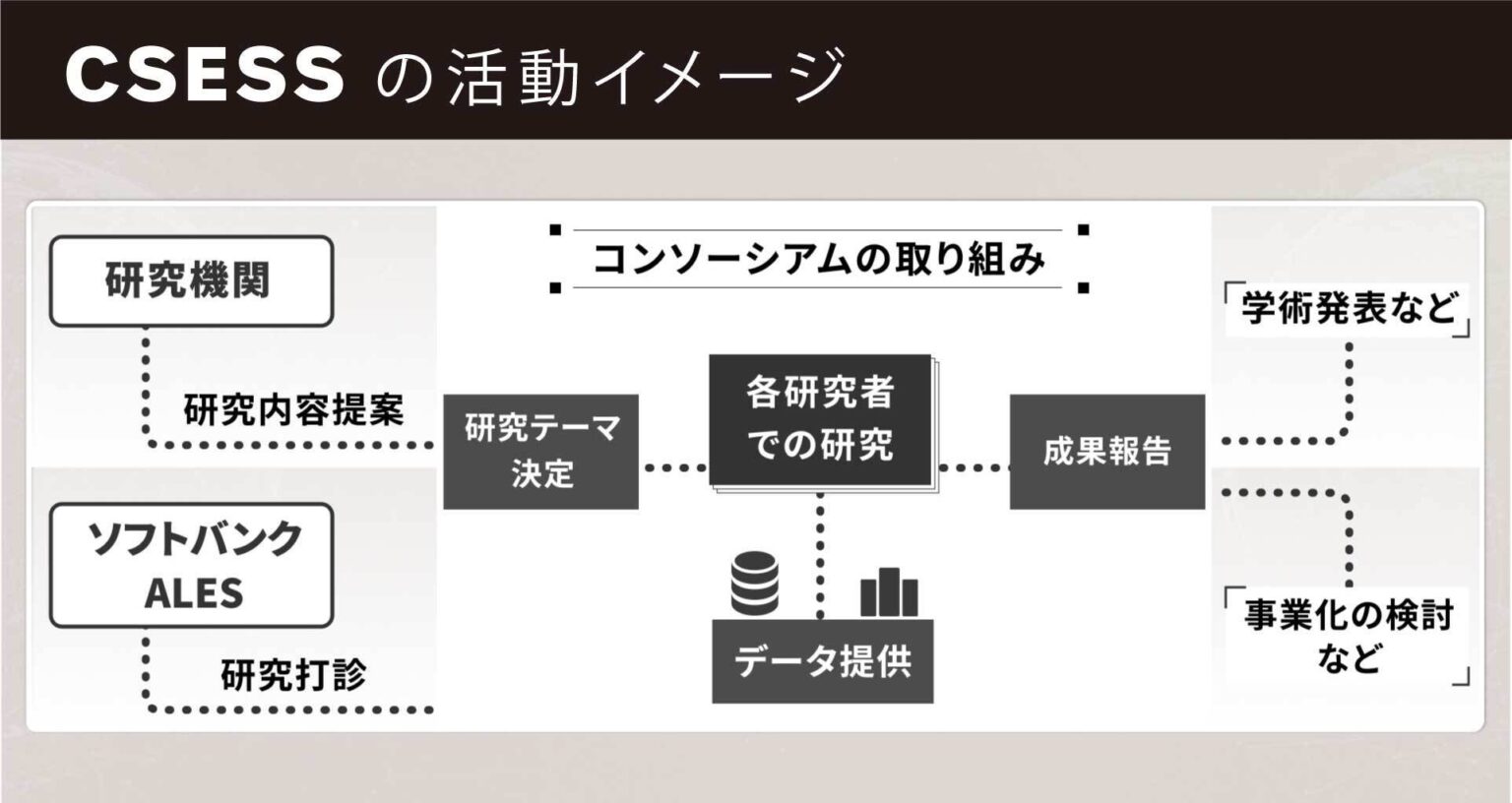
This consortium aims to commercialize research results in the field of earth science and create new earth sciences by utilizing data from SoftBank's high-density GNSS observation network (unique reference sites).
The center of our activities is the verification of data utilization methods in a wide range of earth science fields, such as earthquakes and meteorology, and is expected to greatly contribute to the prediction of natural disasters and disaster prevention and mitigation.
SoftBank and ALES plan to make proposals for commercialization and disaster prevention/mitigation based on the research results.
The consortium will also advance research in fields such as earthquakes, volcanoes, meteorology, and the ionosphere.
| Address | 105-7529 1-7-1 Kaigan, Minato-ku, Tokyo |
|---|---|
| TEL | GRP-jpgu-sb-info@g.softbank.co.jp |
| Web site, SNS | https://www.softbank.jp/biz/services/analytics/ichimill/ |
Marine Works Japan Ltd.
Marine Works Japan Ltd.

| Address | 237-0063 Marine Works Japan Ltd. |
|---|---|
| Web site, SNS | https://www.mwj.co.jp/ |
oyo corporation
oyo corporation

| TEL | 03-5577-4501 |
|---|---|
| FAX | 03-5577-4567 |
| Web site, SNS | https://www.oyo.co.jp/english/ |
IR System Co.,Ltd.
IR System Co.,Ltd.
| Address | 206-0041 4-6-20 Atago Tama Tokyo |
|---|---|
| TEL | 042-400-0373 |
| FAX | 042-400-0374 |
| Web site, SNS | https://www.irsystem.com/ |
Kyoto University Geoscience Union
Kyoto University Geoscience Union
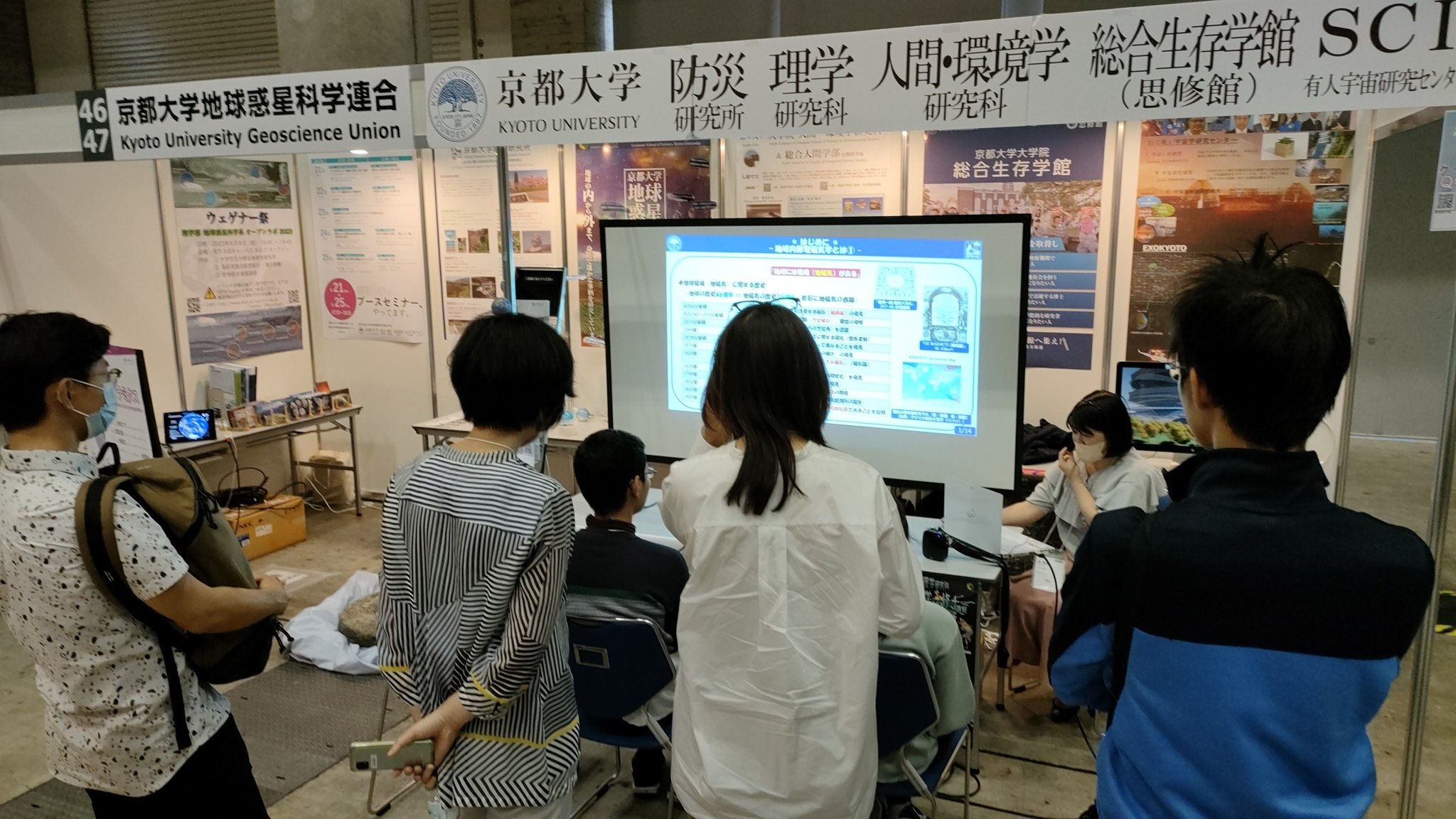
May 26 Takao Ubukata [Department of Geology and Mineralogy] A model- and data-driven approach in evolutionary morphology
Takaaki Noguchi [Department of Geology and Mineralogy] What is cosmic dust?
May 27 Akiori Saito [Department of Geophysics] Rocket investigation around 100km altitude
Yoshihiro Kaneko [Department of Geophysics] Modeling Seismic Waves in the Atmosphere and Ionosphere
May 28 Yosuke Yamashiki [Graduate School of Advanced Integrated Studies in Human Survivability] How to Overcome Two Major Issue in Space Migration
Takuya Ono [Graduate School of Advanced Integrated Studies in Human Survivability] Artificial Gravity Facility Research to Enable Generational Change
May 29 Keiichi Ishioka [Department of Geophysics] Toward the world's fastest spherical fluid computation
Takeshi Enomoro [Disaster Prevention Research Institute] Mechanisms and prediction of high-impact weather
May 30 Shintaro Yamasaki [Disaster Prevention Research Institute] Exploring underwater natural hazards using cutting-edge acoustic technologies
Toyoho Ishimura [Graduate School of Human and Environmental Studies] Paleontology meets SUSHI?
Announcement of Booth Seminar
Link to Realtime Booth Seminar (Zoom)
◆ Archived past seminars
Division of Earth and Planetary Sciences (EPS)
Earth and Planetary Sciences YouTube Channel Division of Earth and Planetary Sciences
Disaster Prevention Research Institute (DPRI-KU)
DPRI-KU YouTube Channel DPRI-KU
Graduate School of Advanced Integrated Studies in Human Survivability (GSAIS)
GSAIS YouTube Channel SHISHU-KAN (GSAIS)
SIC Human Spaceology Center
Graduate School of Human and Environmental Studies
Graduate School of Human and Environmental Studies
| Address | 606-8502 Kitashirakawaoiwake-cho, Sakyo-ku, Kyoto |
|---|
Science of Slow-to-Fast Earthquakes
Science of Slow-to-Fast Earthquakes

The recently discovered phenomenon of slow earthquakes has attracted scientific attention because it may fundamentally change our understanding of earthquakes. During an earthquake, underground rock ruptures quickly, radiating strong seismic waves that shake the ground. During slow earthquakes, the underground rock also ruptures, but slowly, so the shaking is very weak, sufficiently weak that these earthquakes have been overlooked until this century, with the development of highly sensitive instrumentation for seismic detection. Research during the last two decades has discovered slow earthquakes in various regions worldwide and has established some of their characteristics. However, their relationship to the occurrence of huge earthquakes, a topic of paramount concern, is not well understood. Therefore, we have launched a research project to broaden and deepen our understanding of earthquakes ranging from slow earthquakes to fast (ordinary) earthquakes. This is a Grant-in-Aid for Scientific Research Project [Grant-in-Aid for Transformative Research Areas (A)] of MEXT, Japan, entitled “The Science of Slow-to-Fast Earthquakes”.
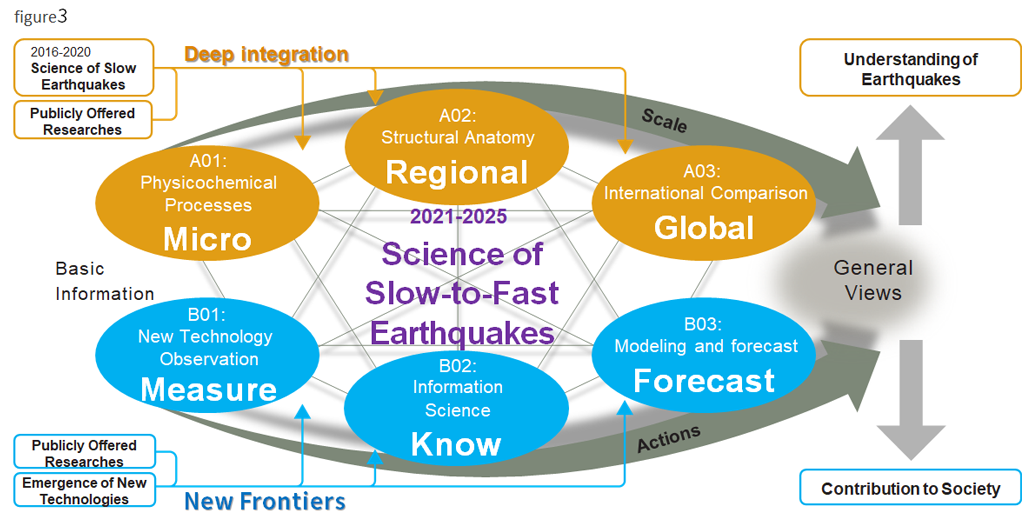
To enable these researchers from various fields to collaborate effectively, six planned research subgroups have been established in the research area (see below schematic figure). These are the A01 Physicochemical Processes Group, A02 Structural Anatomy Group, A03 International Comparison Group, B01 New Technology Observation Group, B02 Information Science Group, and B03 Modeling and Forecast Group. In addition, we are calling for publicly offered research proposals every two years. Approximately 100 researchers, and many students who will lead the next generation of scientists, will work within this five-year-long research project to understand both slow and fast earthquakes and better forecast their future occurrence.
Date: 2024/9/17~19
Venu: B-CON Plaza (Beppu City, Oita prefecture)
Website: link
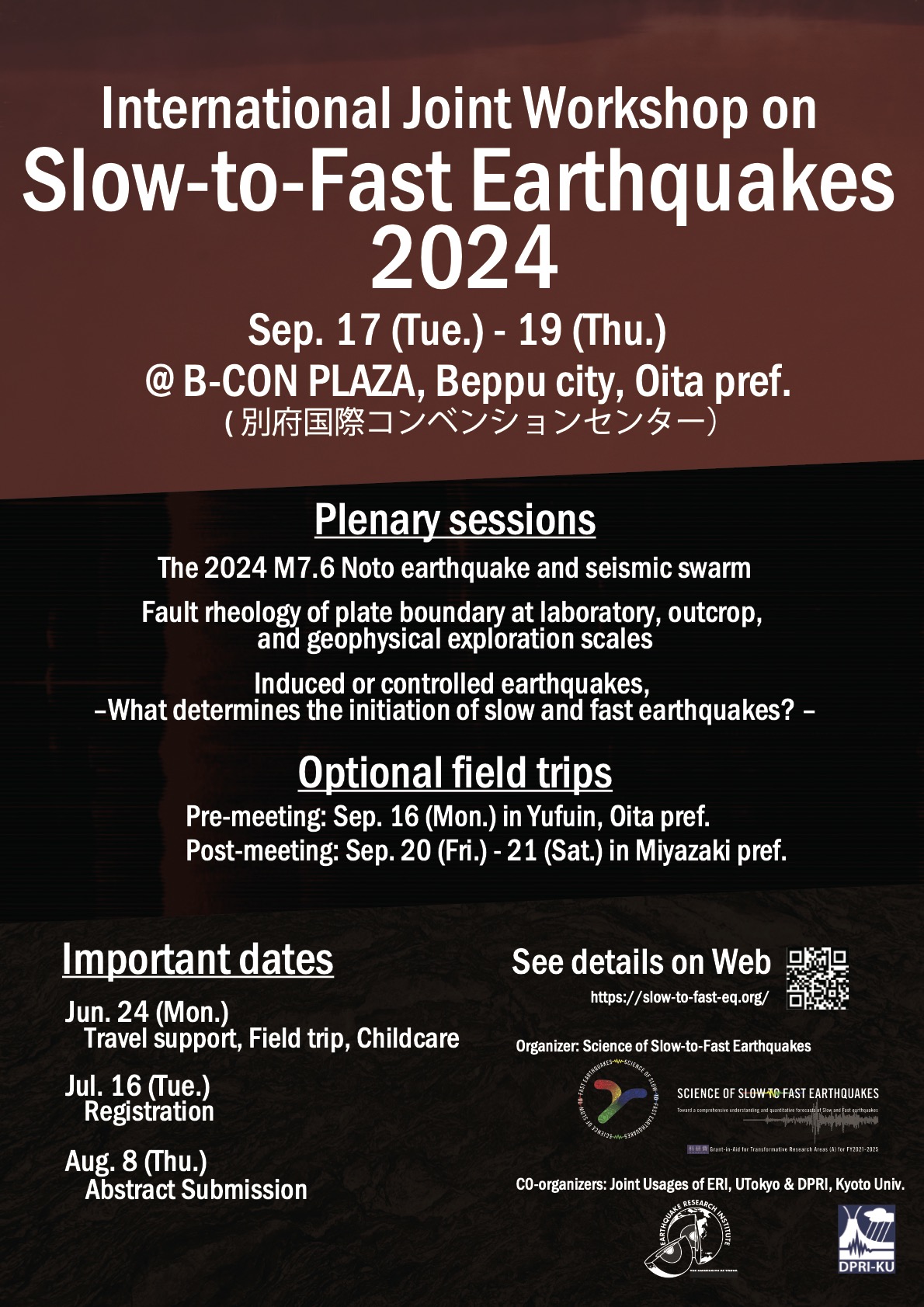
Background images are
・a famous hot spring in Beppu, "Chinoike"
・seismograms of Noto earthquake 2024
・turbidite in Nobeoka (field trip site)
About Beppu
Reports of the 2023 workshop is here
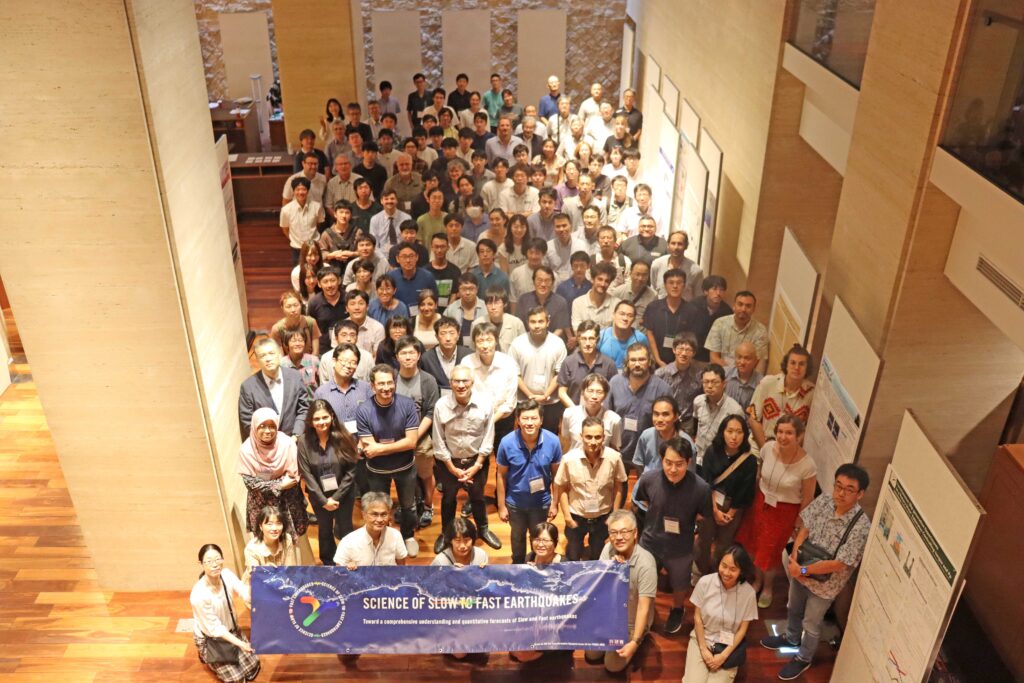
Group photo in the 2023 workshop
Session information
We have a two-day oral session and 51 posters in JpGU 2024.
Oral Session
5/28 Tue. AM1, AM2, PM1, PM2
5/29 Wed. AM1, AM2, PM1, PM2
Poster session
5/28 Tue. PM3
Newsletter Vol. 2
Newsletter Vol. 3
Leaflet Vol. 1 English
Leaflet Vol. 1 Español
| Web site, SNS | https://en.slow-to-fast-eq.org/ |
|---|
Japan Aerospace Exploration Agency
Japan Aerospace Exploration Agency
Institute for Space-Earth Environmental Research, Nagoya University
Institute for Space-Earth Environmental Research, Nagoya University

Our environment comprises various interacting elements and evolves with time. In particular, the dynamics of solar activity sometimes have a great influence on the global environment and human society. A huge solar flare explosion occurring on the solar surface severely disturbs the Earth's magnetic field, the atmosphere, and the radiation environment, and it may cause serious impacts on satellites, electric power, communications, aviation, and other infrastructure. Long-term variation in sunspot activity may also affect the global climate. Cosmic rays arriving from far away in the universe are also an element of our environment, and the cosmogenic isotopes in tree rings provide us with valuable information to explore past environments. On the other hand, it is important to understand the mechanisms of climate change and extreme weather phenomena, both of which may cause disasters. For this purpose, it is necessary to clarify not only the greenhouse effect but also the hydrological circulation, in which aerosols, clouds, and precipitation interact, as well as the interaction between meteorological dynamics and the land–ocean ecosystem with solar influence.
In order to explore the space–earth environment, interdisciplinary research across different fields is necessary. ISEE aims to play a role in promoting domestic and international research collaboration between researchers, and to develop a new discipline of space–earth environmental research. We look forward to your continued support and cooperation.
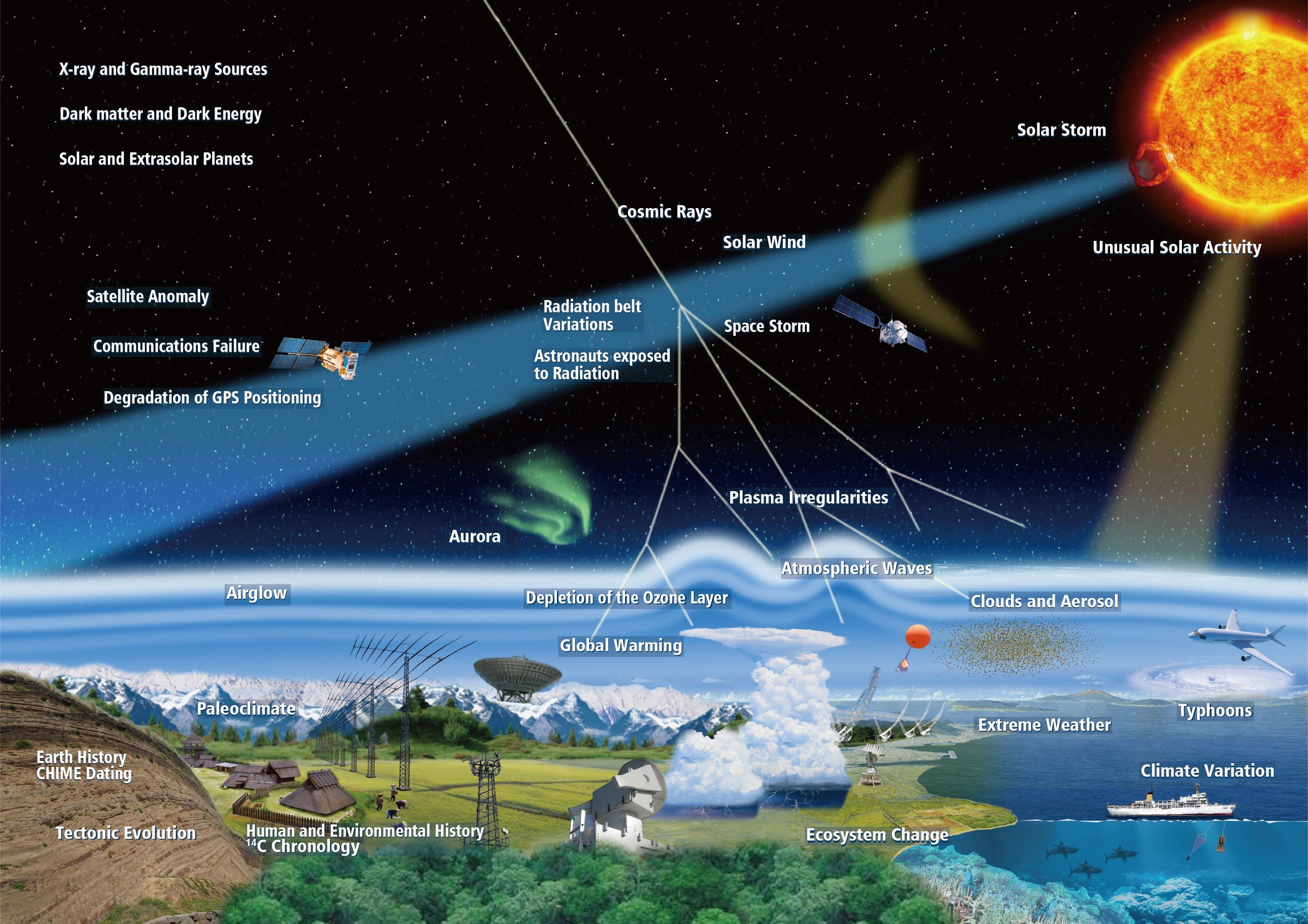
Education page at ISEE HP
Outreach page at ISEE HP



| Address | 464-8601 愛知県名古屋市千種区不老町 |
|---|---|
| Web site, SNS | https://www.isee.nagoya-u.ac.jp/en/ |
National Astronomical Observatory of Japan, TMT Project/ALMA Project
National Astronomical Observatory of Japan, TMT Project/ALMA Project
Thirty Meter Telescope
ALMA is one of the world's largest radio telescopes located in Chile, consisting of 66 antennas.
Constructed and operated with international cooperation led
on behalf of Europe by ESO,
on behalf of North America by NRAO,
on behalf of East Asia by NAOJ.
“ALMA2” project to enhance the capabilities of ALMA has begun in 2023.
Radio wave observations with ALMA allow us to observe dust and gas which are the material of planets.
ALMA can observe them with unprecedented high angular resolution and high sensitivity.
TMT is an ambitious project with plans to construct on Hawai`i an extremely large telescope with an aperture of 30m with the cooperation of five countries including Japan. The major goals of TMT include search for signatures of life on extrasolar planets and the history of our solar system.
◆TMT Overview
・Aperture:30 meters / 492 segment mirrors
・Wavelength range:0.31-28μm
・Diffraction limit:8miliarcsec (at 1μm)
・Sensitivity:More than 100 times better than conventional telescopes
(when observing a point light source with adaptive optics)
In Search for Life on Extrasolar Planets
Our Solar System
Science Teams
Maunakea and TMT
Many planetary systems around stars other than our Sun are being discovered today, and we are learning that there exist planets with various sizes and orbits. Recently, planets similar in size as Earth have been discovered, indicating that there are planetary systems much like our own Solar Sytem. Today, infrared observation has advanced to a point of being able to actually capture images of these planets.
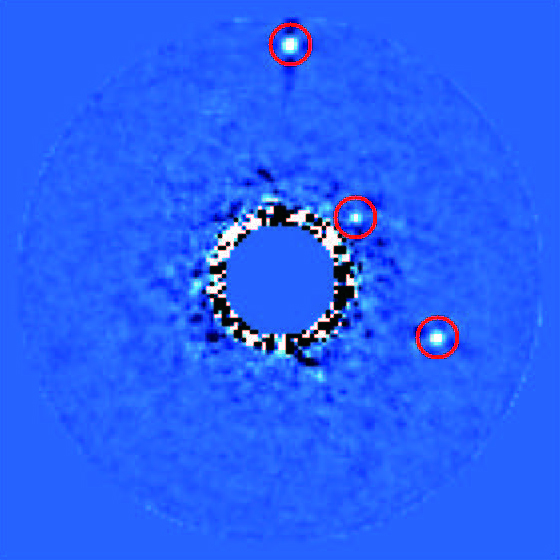
Three Jupiter-like planets around HR8799 discovered by the Subaru Telescope (in red circle). TMT will attempt to directly capture even smaller Earth-like planets. (Credit: CHARIS Team of Princeton University, and NAOJ)
◆Are we alone?
Are there extrasolar planets with existence of life? This is a question common to all humanity. TMT aims to discover signs of life on these planets.
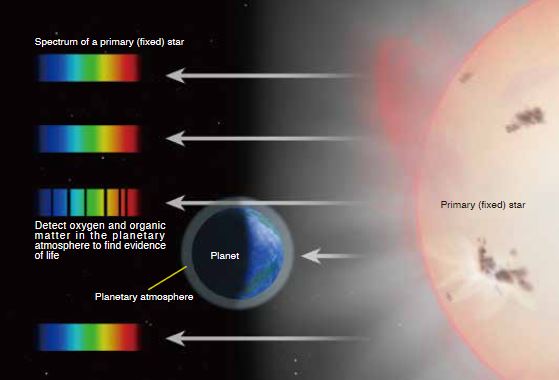
TMT will be able to study the composition of the atmosphere of extrasolar planets through spectroscopic observation. Discovery of oxygen molecules and organic substances could be a signature of existence of extra-terrestrial life.
Exoplanets with TMT (TIO website)
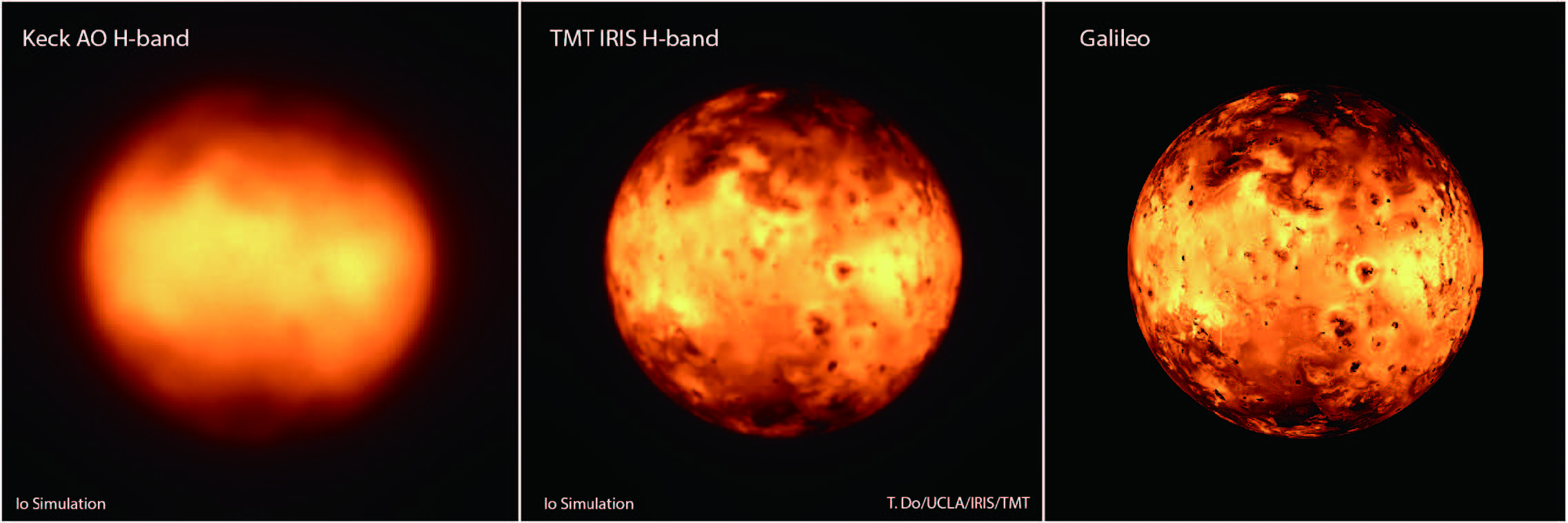
The view of Jupiter's moon Io when observed using adaptive optics. The image on the left is a simulation of a conventional telescope with an aperture of 8 to 10 meters, and the image in the center is a simulation of TMT. The image on the right is the actual image taken by the Galileo spacecraft (Credit: T. Do/UCLA/IRIS)
Our Solar System with TMT (TIO website)
ISDTs (TIO website)
| Address | 181-8588 2-21-1 Osawa, Mitaka, Tokyo 181-8588, JAPAN |
|---|---|
| Web site, SNS | https://www.nao.ac.jp/en/ |